











Since 2023, younger workers without college degrees have had better general unemployment trends than their college-educated peers, reversing a long-standing general belief in the necessity of at least a bachelor’s degree for employment stability.
Data from the think tank Burning Glass Institute shows that by 2025, college-educated workers, especially those in the 22-24 age group, had begun experiencing worse unemployment trends than those without degrees.
BGI representatives said there is an increase in those with bachelor’s degrees and a rapid decrease in the percentage of people without them in recent years.
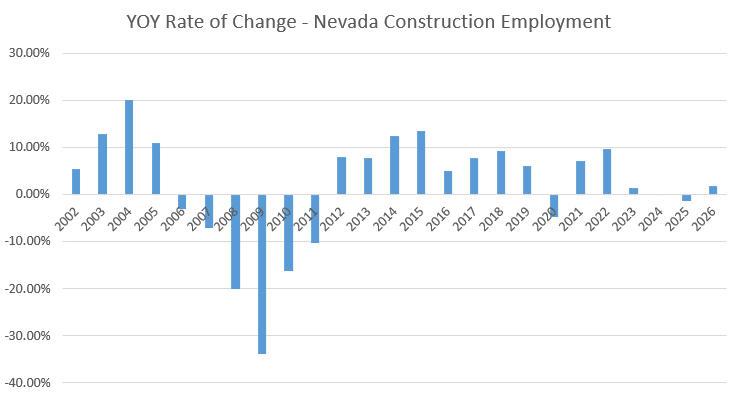
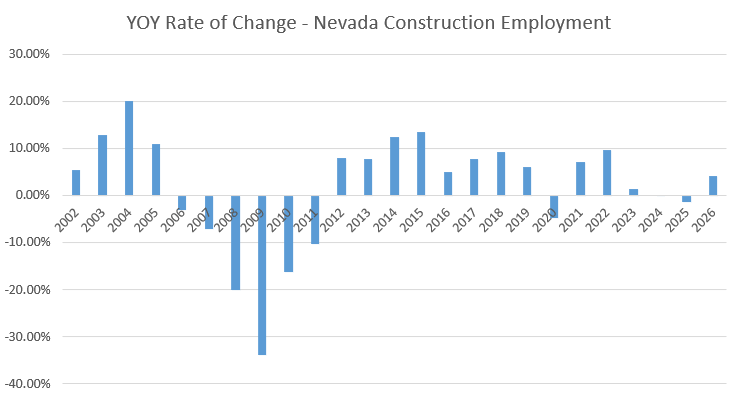
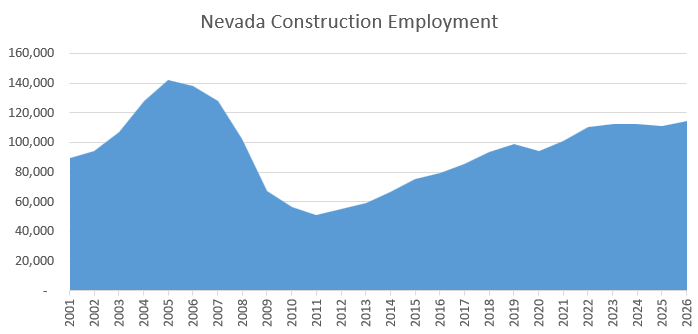
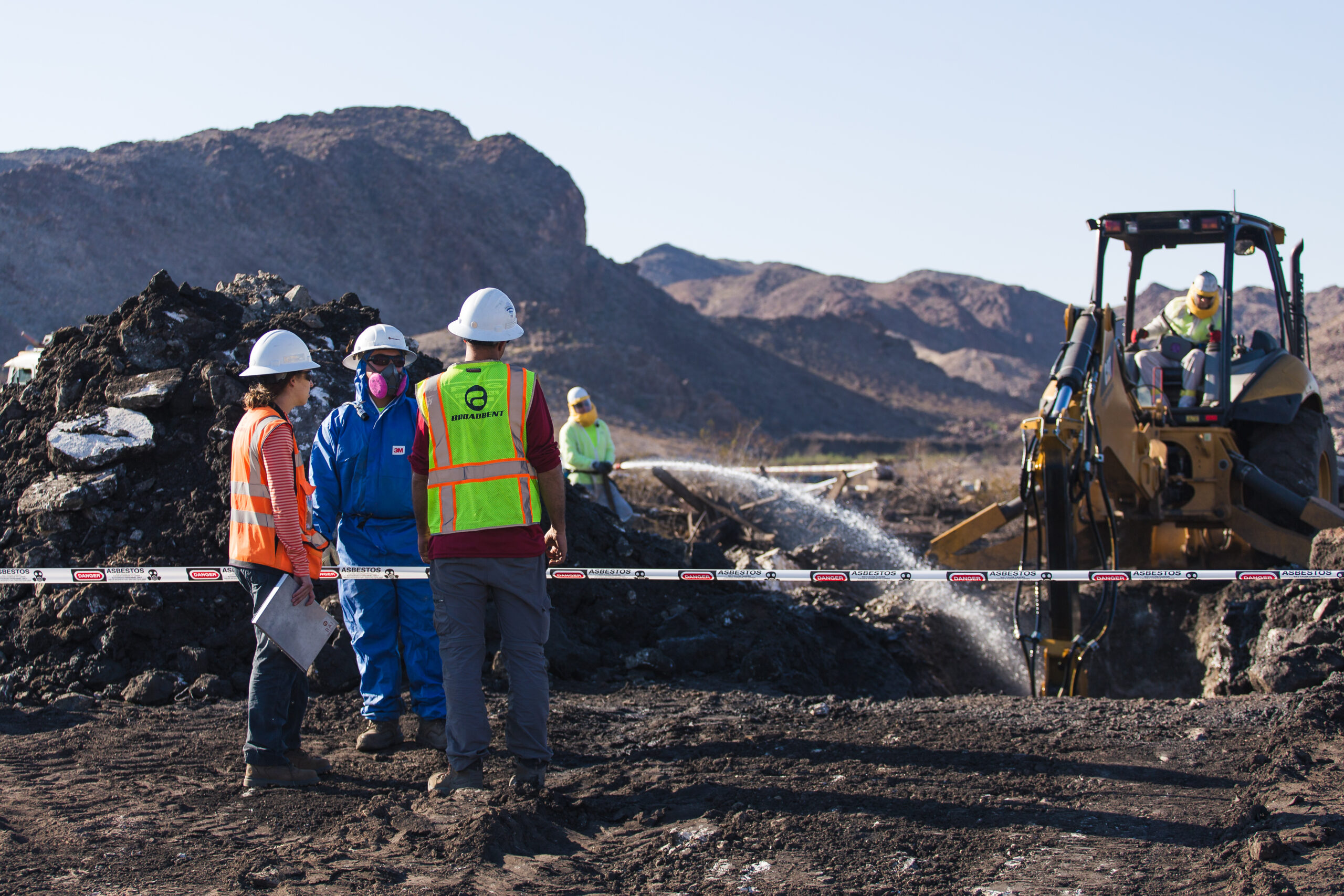
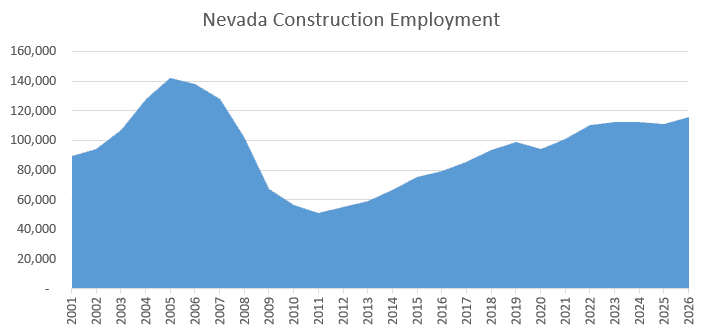
The advantage for those without degrees seems to be tied to what sorts of work are available to them, as more physical forms of labor, such as construction and maintenance, have lower barriers to entry.
These positions and employment trends can also impact commercial real estate markets, as maintenance, repair work, construction and other physical fields support demand in industrial, warehousing/manufacturing, infrastructure and residential markets.
Conversely, softer employment cycles for young white-collar workers could impact office markets, retail services and high-dollar residential rental.
The U.S. Bureau of Labor Statistics reports, when looking at the overall labor force, workers with college degrees still had the lowest rates of unemployment across education levels in August.
High school graduates with no college had a seasonally adjusted unemployment rate of 4.4%, while workers with some college were at 3.4%. Those with at least a bachelor’s degree had a rate of 2.7%.
Still, workers at the beginning of their careers can experience a ripple effect of setbacks when and if they cannot secure and retain stable employment, including less savings, lower credit scores and delayed household formation. These impacts may expand as shifting from school to working life becomes less of a smooth transition.
Data from the Federal Reserve Bank of St. Louis indicates since around the year 2000, unemployment variability for non-college-educated high school graduates aged 25 years old and older was generally the same as the rate for those aged 20-24 with a bachelor’s degree or higher.
Nearly 25% of high-school-only individuals are outside the labor force and not currently seeking employment, compared with 14.3% of those with at least a bachelor’s.
General historical data shows recent college graduates traditionally saw initially rising rates of unemployment as they entered the labor force, which then fell as they secured jobs. Those without college educations followed largely the same cycle.
Beginning in roughly 2023, however, high school graduates without college have experienced lower unemployment rates. This may create even more positions in the already chronically understaffed construction, maintenance, industrial and service trades while aggravating reductions in income growth and consumer demand from lower volumes of new white-collar households. (Source: GlobeSt)