











Serving the A/E/C Industry

Latest Stories in Planning & Development...

Site Plan
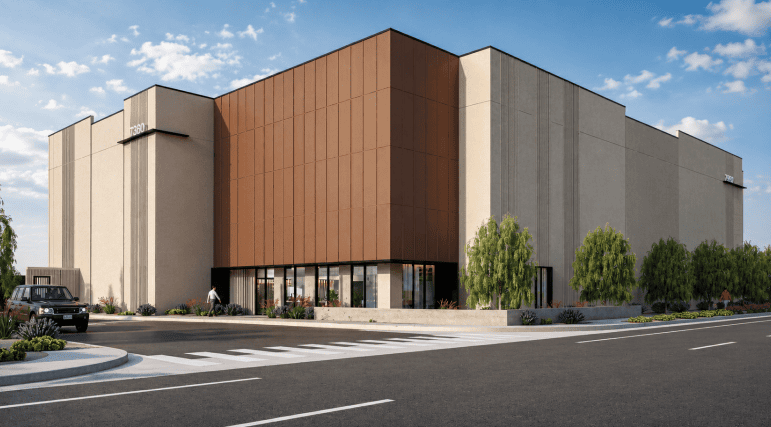
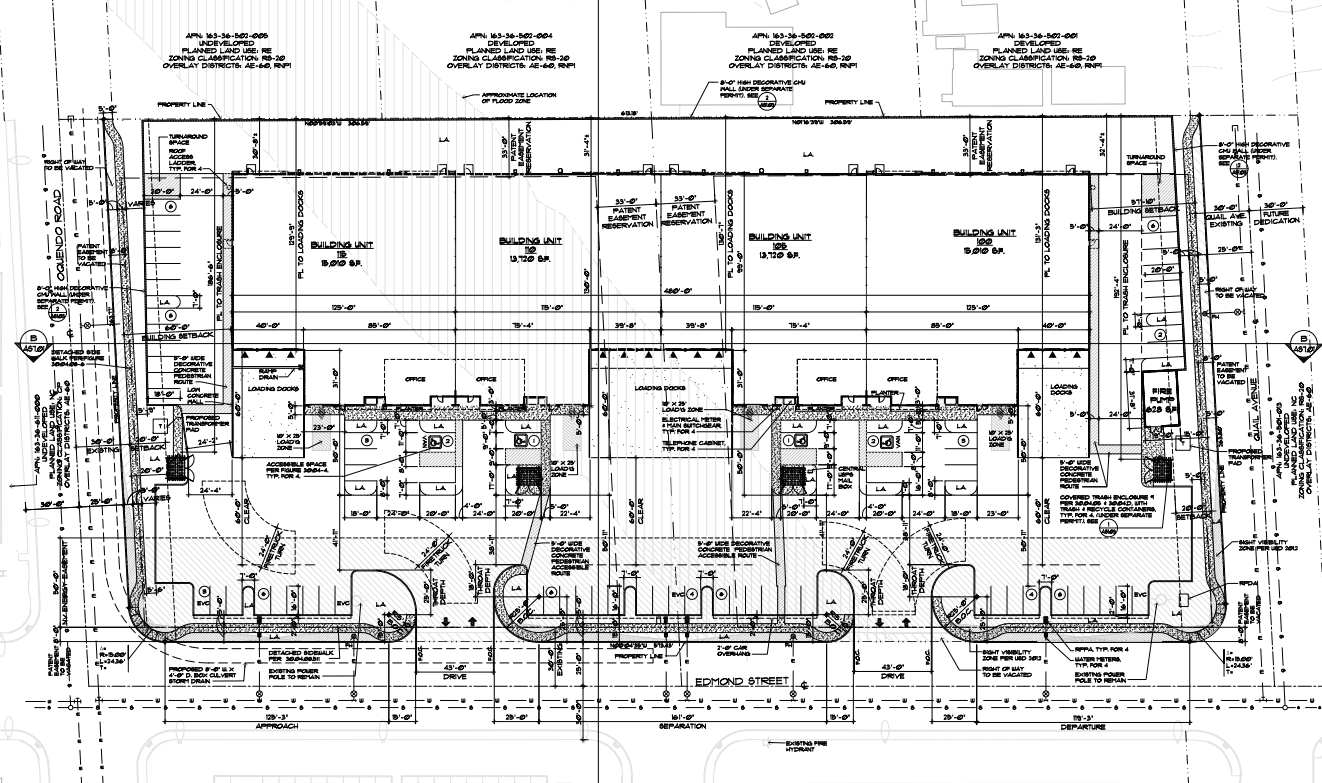
Chosen Development Planning Four-Suite Warehouse Project in Clark County
P&D Hylo Park Ice Arena
Agora Realty Renovating Hylo Park Ice Arena
Rendering 1
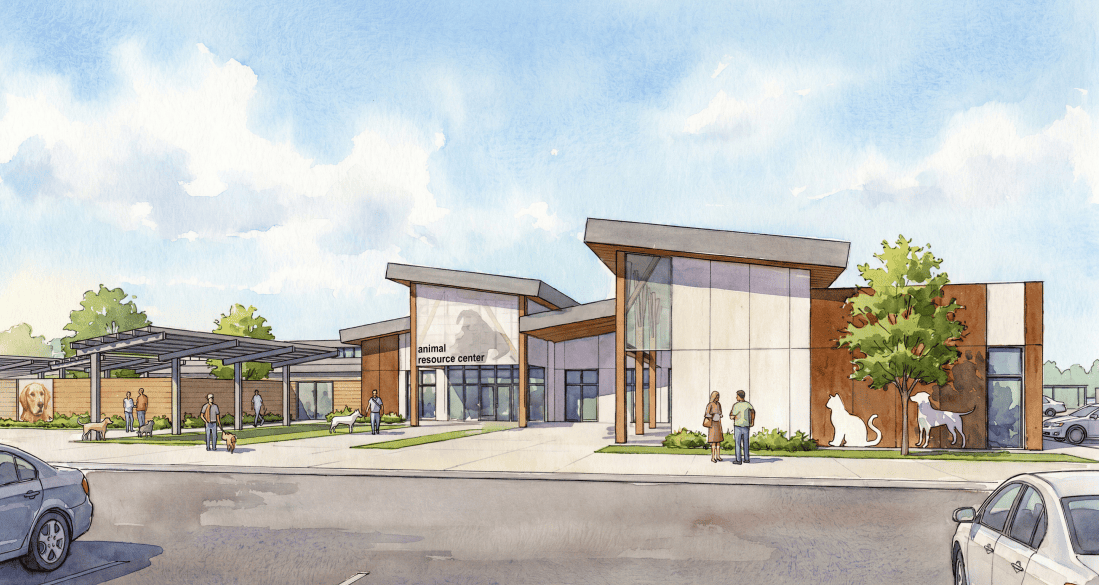
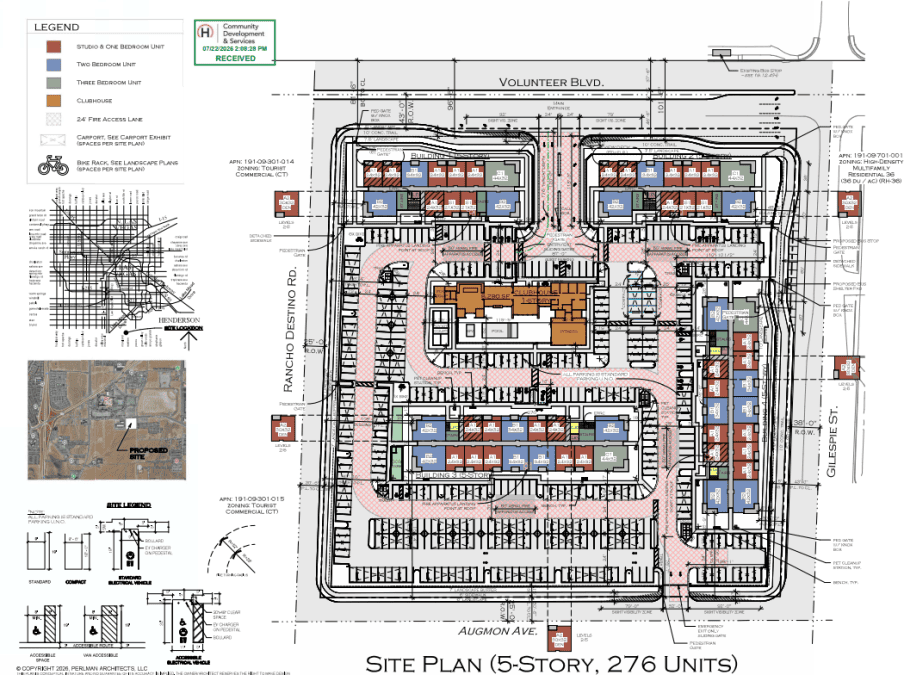
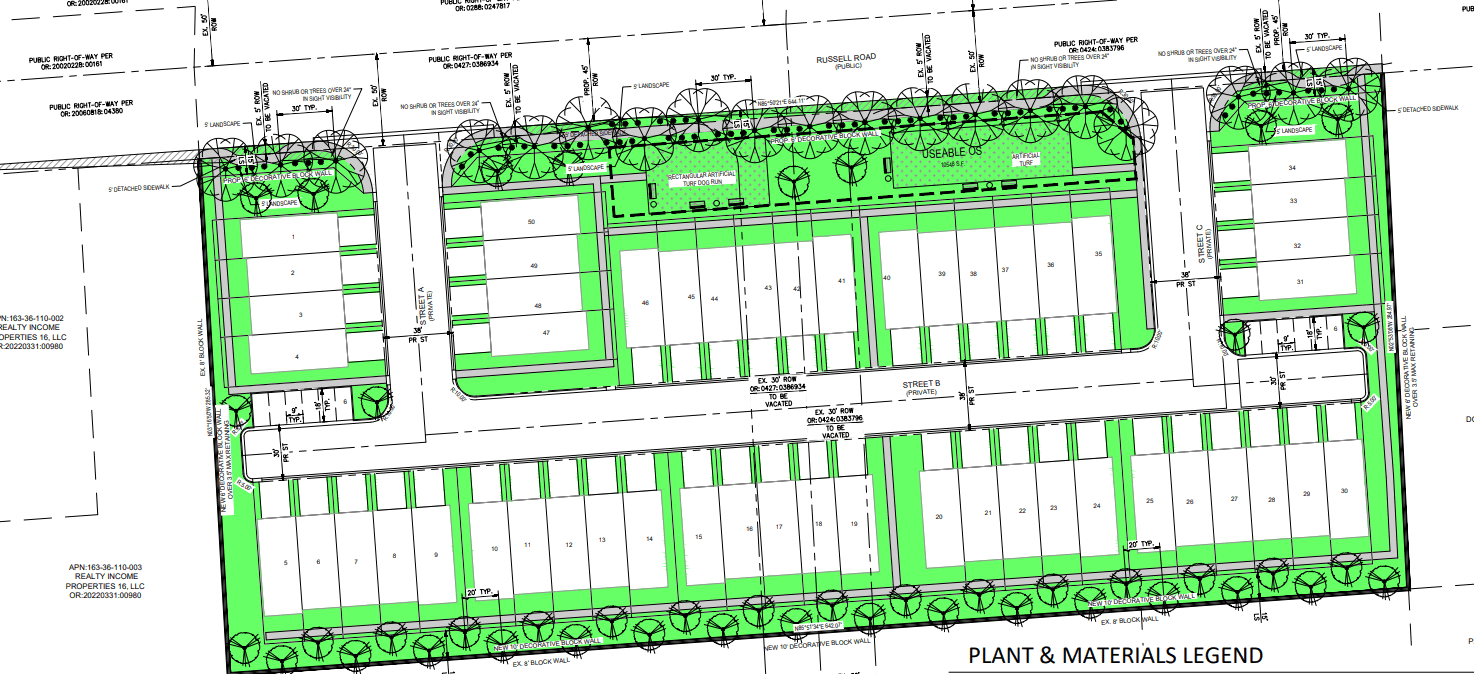
Ulysses Development Group Planning Multifamily Complex in Clark County
P&D Trego Grid
Reno Trego Grid Annexation Approved
CAC ZMA-SPD Application_Page_31
Master Plan and Zoning Change Approved for Clear Acre Commons in Reno

Latest Stories in Local News...

EDV LOC LVGEA Real Logo
LVGEA Announces $166M in Capital Investment
TRN LOC Northern Nevada MF Report
Reno Multifamily Reaches New Equilibrium
Multifamily
Las Vegas MSA One of Few to See Multifamily Rent Decline
LOC WCSD Planning Troubles
Washoe County School District Pivoting from Wooster Reconstruction
LOC Ash Meadows National Wildlife Refuge
Proposed National Conservation Area Could Protect 185,000 Acres of Desert

Latest Stories in Trends...

Multi-Family Condominium Construction
New National Data Hints at Possible Multifamily Momentum Pickup
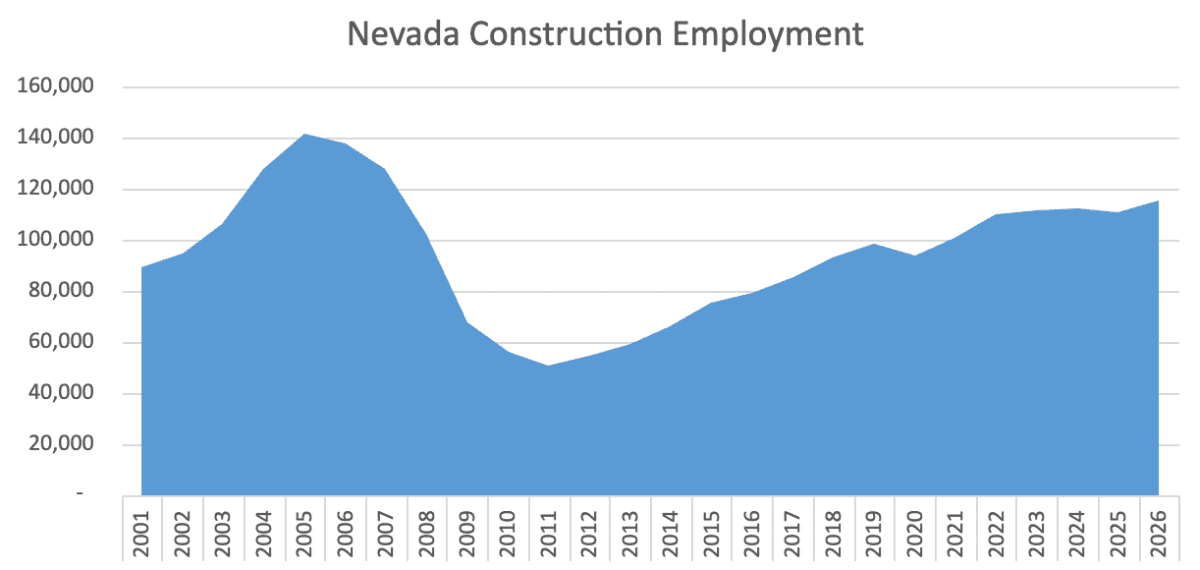
Bar graph
Construction Employment Falls in March After Strong Start to 2026
LOC Data Center Study
DRI Study Considers Data Center Boons and Banes
TRN LOC Colliers Reno Industrial Report
Northern Nevada Industrial Market Continues to Chew Away at Recent Deliveries
BEX Graph 2
Nevada Construction Employment Proceeds with 2026 Rebound

Latest Stories in Nevada Projects...

WIP Fallon Paiute
Nevada Projects 05-15-26
WIP Hard Rock
Nevada Projects 05-08-26
Modern downtown nevada state university building with outdoor space
Nevada Projects 05-01-26
WIP Community eCenter
Nevada Projects 04-24-26
WIP Marble Manor
Nevada Projects 04-17-26

Latest Stories in Federal...

FED LEG EA Road to Housing Act and BTR
Affordability Reform Legislation May Gut BTR Sector
Image of Sloan Canyon National Conservation Area
U.S. Senate Approves Bill for $2B Water Pipeline in Southern Nevada
Nevada-Pipeline-Image
House Passes Southern Nevada Pipeline Bill
Seal_of_the_United_States_Department_of_Justice
DOJ Settles RealPage Pricing Collusion Case
American Battery Technology Company Logo
Federal Government May Pull Funding from Plant Expected to Establish Domestic Lithium Supply

Latest Stories in Budget...

Pahrump Fairgrounds Site
Pahrump Fairgrounds Water Line Moves Past First Round of CDBG Funding
Fuel pumps at a gas station in Clark County
Clark County Votes to Approve Decade-Long Extension of Fuel Revenue Tax Index
LOC-BUD-Vegas-Delaying-CIP-Projs
City of Las Vegas Delaying $19.7M Worth of Capital Improvement Projects
LOC-BUD
Budget Provision Calls for Selling Millions of Acres of Western Federal Land
5e4814b9-051625_nvleg_00368
Proposed AB587 Could Pull $350M from Rainy Day Fund

Latest Stories in People on the Move...

PPL Marlo Wilkey
Industry Professionals 05-19-26
PPL Henderson Building Safety Month
Industry Professionals 05-12-26
PPL Water Award
Industry Professionals 05-05-26
PPL
Industry Professionals 04-28-26
PPL Tri Pointe Homes Arbor Day
Industry Professionals 04-21-26

Latest Stories in Commercial Real Estate...

CRE Blue Heron SF
Commercial Real Estate 05-19-26
CRE Lincoln by Beedie
Commercial Real Estate 05-12-26
CRE The Strat Updated
Commercial Real Estate 05-05-26
CRE Pama Distribution Center
Commercial Real Estate 04-28-26
CRE The Ellison
Commercial Real Estate 04-21-26

Latest Stories in Legal...

FED LEG EA Road to Housing Act and BTR
Affordability Reform Legislation May Gut BTR Sector
Corporate Homeownership
Corporate Homeownership Legislation May Occur in 2027
LOC LEG NV DC Restrictions
Nevada Officials Considering Data Center Restrictions in 2027
Seal_of_the_United_States_Department_of_Justice
DOJ Settles RealPage Pricing Collusion Case
Summerlin Studios Elevation
Film Tax Credits Denied in Special Legislative Session

Latest Stories in Water...

WAT Colorado River
Lower Basin States Agree to Short-Term Colorado River Cuts
Image of Sloan Canyon National Conservation Area
U.S. Senate Approves Bill for $2B Water Pipeline in Southern Nevada
Winding Colorado river through red rock Grand canyon
Basin States Miss Latest Colorado River Usage Deadline
Colorado River
Nevada to Lose 7% of Colorado River Allocations Due to Drought
Water-Negotiators
Water Negotiators Duck Meeting to Discuss New Colorado River Plan

Serving the A/E/C Industry

Affordability Reform Legislation May Gut BTR Sector

Credit: Parcl

Either the proverbial road to Hell may be about to get a fresh round of extensive full-depth patching with good intentions or portions of both major political parties are beating the drum for points leading into the midterm without actually having looked at the sheet music.

As is often the case, maybe two things are true at once.

The 21st Century ROAD to Housing Act (HR 6644) has been passed in separate versions by both the U.S. House of Representatives and the U.S. Senate. After passage in the Senate last month, it is now back before the House for reconciliation.

The bill’s stated overall goal is to improve housing affordability across the country, and there are some laudable components. Changes to the bill introduced in the Senate, however, dramatically expanded its scope and raised alarm bells across the housing development community.

-image
Roland Murphy – BEX

The key components of the bill included:

  • Housing supply and regulation updates that directed the Department of Housing and Urban Development to create model zoning frameworks to make housing development easier, provided grants for local governments to create templates of preapproved home designs, streamlined environmental review, increased multifamily loan limits under government programs, and mandated a government study to support housing for middle-income households;
  • Modernizing and expanding federal grant and partnership programs for new home construction and existing home improvements for low-income homeowners;
  • Overhauling some limits on manufactured and affordable housing finance and investment programs, including softening process regulations on manufactured and modular homes and units;
  • Updating and expanding financial protections for borrowers and families in assisted housing, and
  • Increased oversight of public housing agencies and streamlined applications to promote local lending.

The original version passed the House on a 390-9 vote.

When the bill got to the Senate, it underwent major revisions. These included:

  • Changes to the income eligibility, purchase price maximum and use of federal funds for housing-adjacent infrastructure,
  • Removal of the community bank-related section of the House bill and
  • Addition of National Environmental Policy Act flexibility and the adoption of planning templates for small-unit-count multifamily developments.

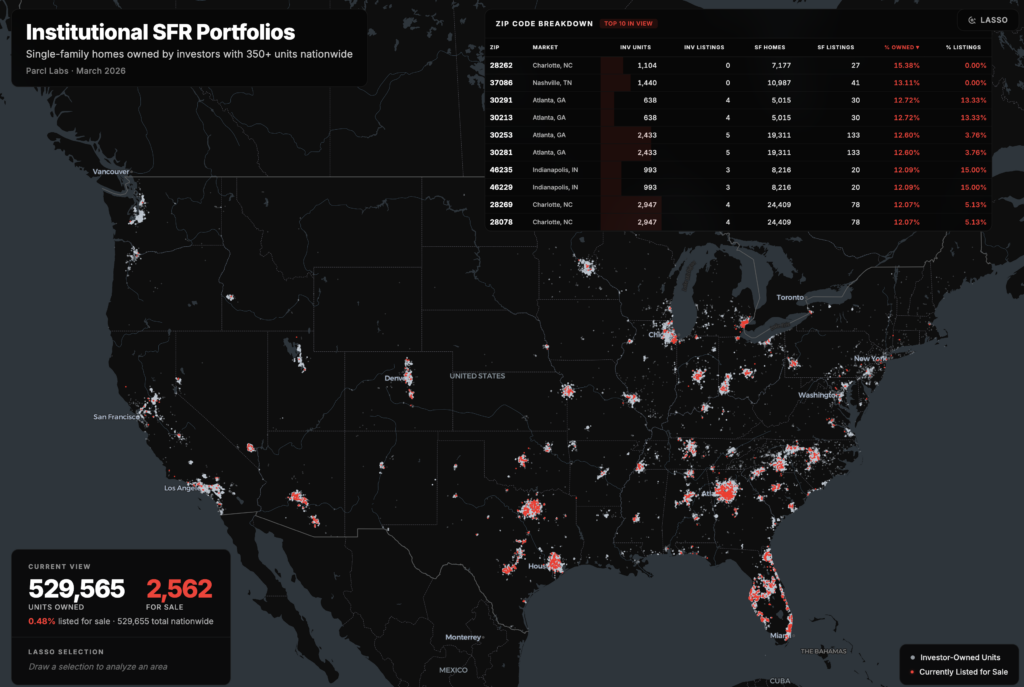
The most significant change is, despite extensive hammering by some national figures, among the least needed and potentially most harmful: a prohibition on large institutional investor portfolio ownership. The Bipartisan Policy Center explains the new language restricts the purchase of new single-family homes by large institutional investors that directly or indirectly own at least 350 single-family homes.

The Senate version passed 89-10.

Institutional Ownership Targeted by Right and Left

Some national politicians and housing policy lobbyists, led most publicly by Mass. Sen. Elizabeth Warren, have decried corporate and institutional investor single-family portfolio ownership as a fundamental detriment to housing affordability. They claim institutional investors have removed vast quantities of units across the country from the traditional competitive market, outbidding individual potential buyers and artificially inflating prices both through increasing base price offers and withholding units from the ownership stream by using them as rentals.

That sentiment has also been expressed by President Donald Trump. In fact, it was Trump’s call for the banning of institutional ownership of single-family portfolios in the 2026 State of the Union address that is generally credited for that portion of the Senate’s revisions to the bill.

Unfortunately for the anti-investor advocates, “the math isn’t mathing” in the actual market. Multiple market examinations, including one from housing investment research group Parcl, show investors in the 350-unit-plus group own a total of roughly 530,000 single-family homes in the U.S., just 0.59% of the overall market. In a few highly targeted markets, such as Atlanta, that percentage ranges as high as 4%.

Critics have framed the institutional investors’ ownership provision as ineffective political theater.

One area that will be affected, however, is the Build-to-Rent market, which the Senate version specifically targets. The revised legislation contains a provision that would require BTR developers to sell their units to individual owners within seven years of building them, effectively eliminating the market as it exists today.

2025 data from Cavan Companies shows the national BTR market started a J-curve acceleration between 2019 and 2023, delivering 41% of all BTR homes in the market today, approximately 68,000 units. As of the first half of 2025, another 100,000-110,000 units were in the pipeline.

Between 2020 and 2023, institutional investors boosted their stake significantly, increasing allocations by 75%.

An estimate from libertarian-leaning outlet Reason puts the BTR market at “anywhere between 3% and 10% of new single-family construction” nationwide and pointedly says the legislation will destroy the sector.

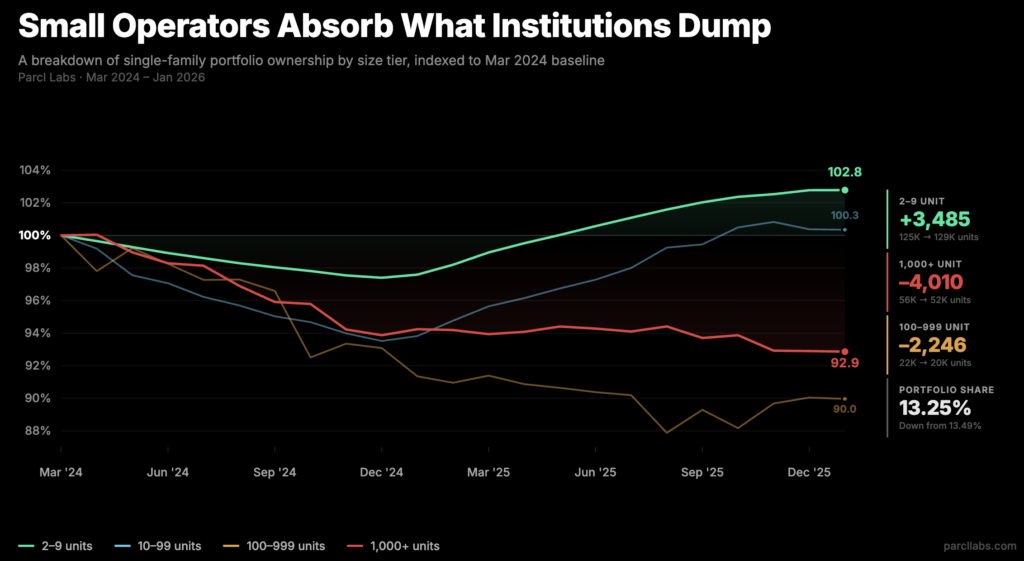
Across the entire U.S. single-family rental market, which includes both individual freestanding homes in traditional neighborhoods and Build-to-Rent homes, the largest institutional investors—those with portfolios larger than 1,000 units—have been net sellers, according to Parcl. Small owners, those with two-to-nine units in their portfolios, were net buyers and grew their baseline by 102.8% between March 2024 and 2026. Those small owners are below the 350-unit ownership baseline and will be unaffected by the legislation.

Not a Done Deal

Even though the House and Senate have passed versions of the bill, the process is not yet finished. Because the Senate’s version differs significantly from the House’s original, the two bills must now undergo reconciliation to produce a unified version to send to President Trump for his signature.

While prognostication is generally a sucker’s bet, and even if the bill is approved as written, implementation will not be immediate due to expected challenges at both the administrative and judicial levels, the ground-level effects are already being felt.

What is certain is there are only two sets of laws that can be universally counted on to act in accordance with their inherent natures: The laws of physics and the Law of Unintended Consequences.

Editor’s Note: Click here to view our previous BTR coverage in Nevada.
-image
Credit: Parcl

Leave a Reply

Your email address will not be published. Required fields are marked *

  • All Posts
  • Budget
  • Commercial Real Estate
  • Economic Development
  • Editorial Analysis
  • Federal
  • Legal
  • Local News
  • Nevada Projects
  • People on the Move
  • Planning & Development
  • Solar
  • Trends
  • Water
Load More

End of Content.

Learn More About Our Services
Chosen Development Planning Four-Suite Warehouse Project in Clark County
Chosen Development, LLC is proposing a two-building industrial development at the NWC of Patrick Lane...
Read More
Agora Realty Renovating Hylo Park Ice Arena
An equipment failure at the Hylo Park Ice Arena is allowing developers to conduct a full renovation of...
Read More
LVGEA Announces $166M in Capital Investment
The Las Vegas Global Economic Alliance is proud to announce a series of new and expanding companies choosing...
Read More
Industry Professionals 05-19-26
Giving Back 1. The Las Vegas Convention and Visitors Authority is providing the Vegas Strong Fund with...
Read More
Commercial Real Estate 05-19-26
Sales Transactions 1. Blue Heron recently purchased approximately 26.6 acres of land near Lake Las...
Read More
Mark Hobaica

Mark Hobaica

Executive Vice President

Core Construction

Since 2019, as CORE Construction’s Executive Vice President for Nevada, Mark ensures every client CORE serves receives the highest level of personalized care for every project. Mark’s passion is client Trust. He cares deeply about CORE’s reputation, partnerships and providing the highest quality and services, as well as most honest and best value possible. He has worked in the Las Vegas Valley and for the Public Works sector for nearly 35 years. He began as an owner in a local architectural firm designing and overseeing projects for Public Works clients for nearly 12 years. He clearly understands the expectations of the public sector, as he then directed numerous projects for over 16 years as the City Architect for the City of Henderson. His focus has always been delivering projects using CMAR or Construction Manager at Risk as he has implemented dozens of projects with his trusted approach, while always involving every stakeholder to ensure each individual receives the highest level of services expected.