











The U.S. Interior Department recently approved Ioneer Ltd.’s Rhyolite Ridge lithium-boron mine, sparking a lawsuit from conservationists and an advocacy group for Native Americans.
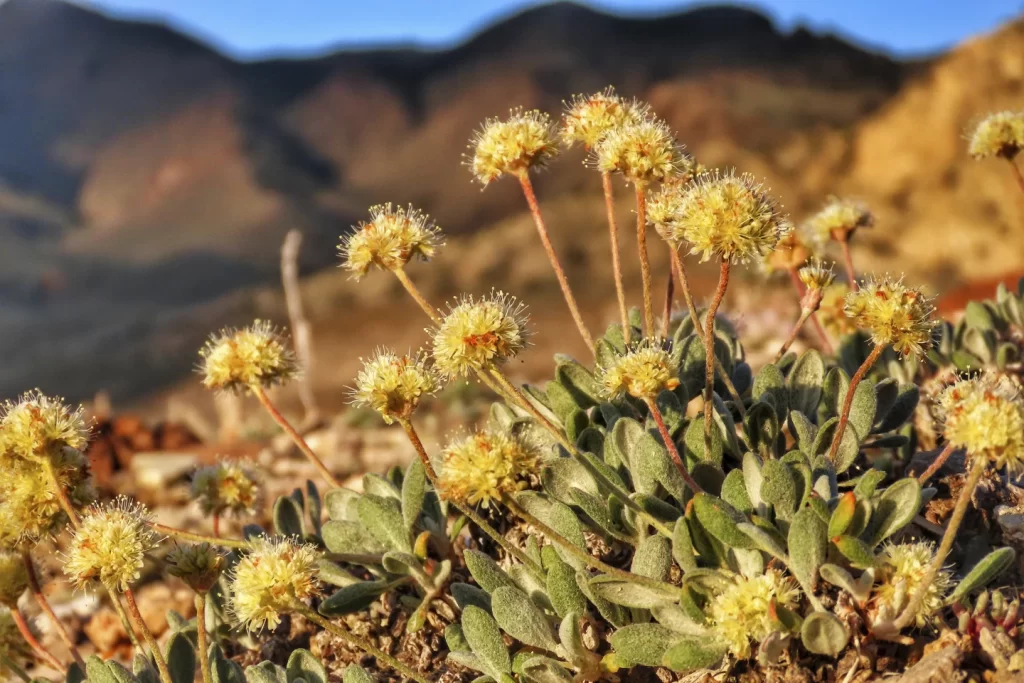
The mine is to be constructed near the California state line, approximately halfway between Reno and Las Vegas. According to Ioneer’s website, the mine will be in the Silver Peak Range approximately 14 miles northeast of Dyer. This is the only area in the world where Tiehm’s buckwheat is known to exist.
In December of 2022, the Interior Department listed the buckwheat as an endangered species. The lawsuit was filed through the federal court in Reno. The Western Shoshone Defense Project joined the center in the lawsuit.
The lawsuit claims the mine will harm sacred sites of the Western Shoshone people. Cave Spring is a natural spring less than a mile away from the site. The suit mainly focuses on violations of the Endangered Species Act regarding Tiehm’s buckwheat.
The minerals gathered from the mines are anticipated to be used for EVs and solar panels. Detractors stated concerns regarding the destruction of biodiversity to promote green energy, while also mentioning a disregard of Indigenous cultural areas.
The plant’s population is fewer than 30,000 in the government’s latest estimates. Since August, the population of the plant has reportedly decreased. The lawsuit references an earlier incident of rodents eating the plants in 2020, which decreased the population by as much as 60%.
Ioneer’s permit anticipates up to one-fifth of the approximately 1.5 square miles of critical habitat for the plants would be lost for decades, or even permanently. The area is also home to a variety of pollinators that keep the plants alive.
The Fish and Wildlife Service stated the project “will result in the long-term disturbance of 146 acres of the plant community… and the permanent loss of 45 acres, we do not expect the adverse effects to appreciably diminish the value of critical habitat as a whole.” The “long-term disturbance” timeline is reportedly 23 years.
Ioneer has stated it intends to defend approval of the process and doesn’t anticipate the lawsuit to postpone plans to begin construction in 2025. (Source)