On Sept. 30, 2025, the U.S. Department of Transportation issued an Interim Final Ruling that de-certifies all current Disadvantaged Business Enterprises and Airport Concessions DBE, taking effect October 3, 2025.
The prior race- and gender-based presumptions of disadvantage are no longer in place. In other words, race and/or gender no longer automatically count as proof of disadvantage.
To remain in the program, every certified owner must submit a Personal Narrative and a current Personal Net Worth statement. The certifying agencies must then evaluate the resubmitted applications and make a determination of disadvantaged status.
It is important to note that the USDOT gave no guidance for what would qualify a firm as disadvantaged, but has clearly placed the responsibility for identifying disadvantaged status on the certifying agency.
Impacts to Nevada Projects
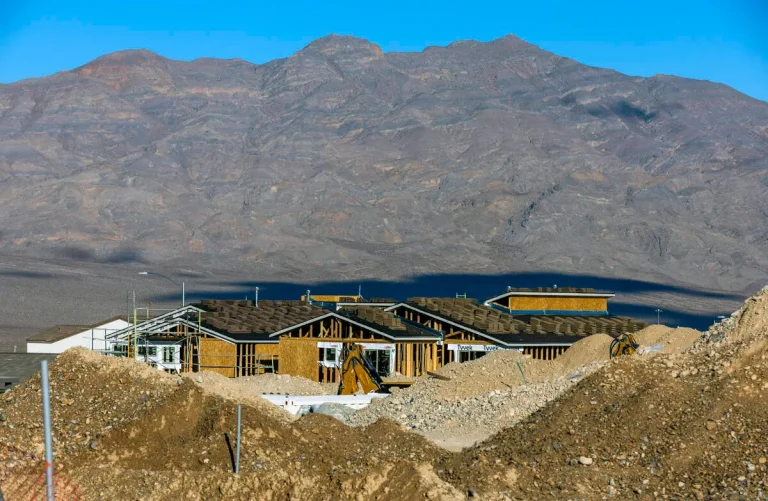
Projects impacted by this IFR include federally funded transportation and aviation projects. Not all transportation projects include federal funds that come with these project requirements.
As of October 23, BEX is counting three active Nevada Department of Transportation projects that were created with DBE goals, but have since been removed:
- Contract #4549: Multilayer Overlay on Various Structures Throughout Washoe County – $3.85M-$4.6M. The project was announced with a 3.5% DBE Goal, but NDOT answered a question from the bidders stating that the DBE goal would be reduced to 0.00% with a forthcoming addendum.
- Contract #4507: Multilayer Overlay & Joint Replacement in Pershing County – $3.85M-$4.6M. The originally announced DBE goal of 2.00% was reduced to 0.00% with an addendum.
- Contract #4551: 2-3/4” Coldmill, 2” PBS with ¾” OG and 10% Patching. Upgrade existing ramps, driveways and select sidewalk locations to meet ADA in Washoe County – $11.5M-$13.5M. The announced DBE goal of 3.25% was reduced to 0.00% with an addendum.
Agencies’ Response to Date
Three agencies in Nevada are certifying agencies: Harry Reid International Airport, NDOT, and Reno/Tahoe Airport. Collectively, the three agencies are part of the Unified Certification Program in Nevada.
As of press time, the webpages for these certifying agencies have no noticeable updates due to the IFR. Readers can view the DBE program pages at the following links for: Harry Reid International Airport, NDOT and Reno/Tahoe Airport.
Sunnie Braih, external civil rights officer/division chief, NDOT, explained the IFR is impacting current projects in that no enforcement of DBE goals on current projects will take place. Any current projects bidding will have the DBE goals reduced to 0.00%. He went on to say the Department encourages DBE participation on every project, whether there is a stated goal or not. He also said NDOT is waiting for definitive guidance from the Federal Highway Administration on what will qualify firms as disadvantaged so they may proceed with re-certification as the IFR dictates.
Sudden Changes to the Program Add Uncertainty
Typically, when big changes to long-standing federal programs happen, they are a result of a very long, drawn out, slow and methodical process. Impacted stakeholders—such as currently certified DBE firms, prime consultants and contractors that pursue projects with DBE goals, and agencies that are responsible for administering and reporting on project compliance—would normally have an opportunity to provide input and ideas on how to make the final rule most effective and practical. That did not happen with this IFR.
Instead, section III of the IFR states, “The Administrative Procedure Act generally requires agencies to provide the public with notice of proposed rulemaking and an opportunity to comment prior to publication of a substantive rule. However, 5 U.S.C. 553(b)(B) authorizes agencies to publish a final rule without first seeking public comment on a proposed rule ‘when the agency for good cause finds (and incorporates the finding and a brief statement of reasons therefor in the rules issued) that notice and public procedure thereon are impracticable, unnecessary, or contrary to the public interest.’ DOT finds that providing advance notice and an opportunity to comment on these regulatory changes pertaining to the DBE and ACDBE programs would be impracticable, unnecessary, and contrary to the public interest.”
The IFR gives no criteria on what would qualify a firm as disadvantaged, aside from the statement that it must “demonstrate social and economic disadvantage based on their own experiences and circumstances without reliance in whole or in part on race or sex.”
What to Look for Next
According to a statement by adjacent Arizona Department of Transportation, “Until the reevaluation process is completed, recipients of federal transportation funds including ADOT and all subrecipients, may not update their overall goal, set any contract DBE goals on federally funded projects or count any DBE participation toward DBE goals.”
Looking further down the road, the federal DBE program is tied to the Surface and Aviation Authorization, the most recent being part of the broad Infrastructure Investment and Jobs Act of 2021. This expires Sept. 30, 2026. If the DBE program continues in any form, it will need to be part of the next reauthorization.
Lastly, there is a 30-day public comment period open. Interested parties may submit their comments here by Nov. 3.






















Federal DBE Interim Final Ruling Impacts NV Projects
Rebekah Morris
On Sept. 30, 2025, the U.S. Department of Transportation issued an Interim Final Ruling that de-certifies all current Disadvantaged Business Enterprises and Airport Concessions DBE, taking effect October 3, 2025.
The prior race- and gender-based presumptions of disadvantage are no longer in place. In other words, race and/or gender no longer automatically count as proof of disadvantage.
To remain in the program, every certified owner must submit a Personal Narrative and a current Personal Net Worth statement. The certifying agencies must then evaluate the resubmitted applications and make a determination of disadvantaged status.
It is important to note that the USDOT gave no guidance for what would qualify a firm as disadvantaged, but has clearly placed the responsibility for identifying disadvantaged status on the certifying agency.
Impacts to Nevada Projects
Projects impacted by this IFR include federally funded transportation and aviation projects. Not all transportation projects include federal funds that come with these project requirements.
As of October 23, BEX is counting three active Nevada Department of Transportation projects that were created with DBE goals, but have since been removed:
Agencies’ Response to Date
Three agencies in Nevada are certifying agencies: Harry Reid International Airport, NDOT, and Reno/Tahoe Airport. Collectively, the three agencies are part of the Unified Certification Program in Nevada.
As of press time, the webpages for these certifying agencies have no noticeable updates due to the IFR. Readers can view the DBE program pages at the following links for: Harry Reid International Airport, NDOT and Reno/Tahoe Airport.
Sunnie Braih, external civil rights officer/division chief, NDOT, explained the IFR is impacting current projects in that no enforcement of DBE goals on current projects will take place. Any current projects bidding will have the DBE goals reduced to 0.00%. He went on to say the Department encourages DBE participation on every project, whether there is a stated goal or not. He also said NDOT is waiting for definitive guidance from the Federal Highway Administration on what will qualify firms as disadvantaged so they may proceed with re-certification as the IFR dictates.
Sudden Changes to the Program Add Uncertainty
Typically, when big changes to long-standing federal programs happen, they are a result of a very long, drawn out, slow and methodical process. Impacted stakeholders—such as currently certified DBE firms, prime consultants and contractors that pursue projects with DBE goals, and agencies that are responsible for administering and reporting on project compliance—would normally have an opportunity to provide input and ideas on how to make the final rule most effective and practical. That did not happen with this IFR.
Instead, section III of the IFR states, “The Administrative Procedure Act generally requires agencies to provide the public with notice of proposed rulemaking and an opportunity to comment prior to publication of a substantive rule. However, 5 U.S.C. 553(b)(B) authorizes agencies to publish a final rule without first seeking public comment on a proposed rule ‘when the agency for good cause finds (and incorporates the finding and a brief statement of reasons therefor in the rules issued) that notice and public procedure thereon are impracticable, unnecessary, or contrary to the public interest.’ DOT finds that providing advance notice and an opportunity to comment on these regulatory changes pertaining to the DBE and ACDBE programs would be impracticable, unnecessary, and contrary to the public interest.”
The IFR gives no criteria on what would qualify a firm as disadvantaged, aside from the statement that it must “demonstrate social and economic disadvantage based on their own experiences and circumstances without reliance in whole or in part on race or sex.”
What to Look for Next
According to a statement by adjacent Arizona Department of Transportation, “Until the reevaluation process is completed, recipients of federal transportation funds including ADOT and all subrecipients, may not update their overall goal, set any contract DBE goals on federally funded projects or count any DBE participation toward DBE goals.”
Looking further down the road, the federal DBE program is tied to the Surface and Aviation Authorization, the most recent being part of the broad Infrastructure Investment and Jobs Act of 2021. This expires Sept. 30, 2026. If the DBE program continues in any form, it will need to be part of the next reauthorization.
Lastly, there is a 30-day public comment period open. Interested parties may submit their comments here by Nov. 3.
Nearly 100KSF Shopping Center Planned in Clark County
Nevada Projects 01-30-26
Statewide Construction Employment Falls More Than 9% Throughout 2025
Commercial Real Estate 01-27-26
Industry Professionals 01-27-26
Ochoa Development Corporation Receives Second Extension of Time for Three-Building Industrial Project
AOSW, LLC Planning 90-Room AVID Hotel in Henderson
Las Vegas Issues RFP for Mixed-Use Affordable Housing
Reno to Consider 712-Unit Clear Acre Commons Mixed-Use Multifamily Development
Four-Phase, $48M Improvement Planned for Carson Valley Health Hospital in Gardnerville
Las Vegas City Council to Consider Skye Canyon Elementary School
LIVCO Proposing 152-Unit Multifamily Tower in Las Vegas Medical District
Prospect Street and The NRP Group Co-Developing 235-Unit Senior Living Facility in Clark County
Reno City Council Approves Lakeridge Golf Course Hotel in First Hearing
Nearly 100KSF Shopping Center Planned in Clark County
Bally’s Files for Permits for Las Vegas Integrated Resort
Agora Realty & Management Redeveloping North Las Vegas Civic Center
Commercial Real Estate 01-27-26
Industry Professionals 01-27-26
Campus for Hope Part of Larger Mental Health Master Plan in Las Vegas
Ochoa Development Corporation Receives Second Extension of Time for Three-Building Industrial Project
AOSW, LLC Planning 90-Room AVID Hotel in Henderson
Las Vegas Issues RFP for Mixed-Use Affordable Housing
Reno to Consider 712-Unit Clear Acre Commons Mixed-Use Multifamily Development
Boring Co. Discusses Expansion After UNLV Denial and Safety Concerns