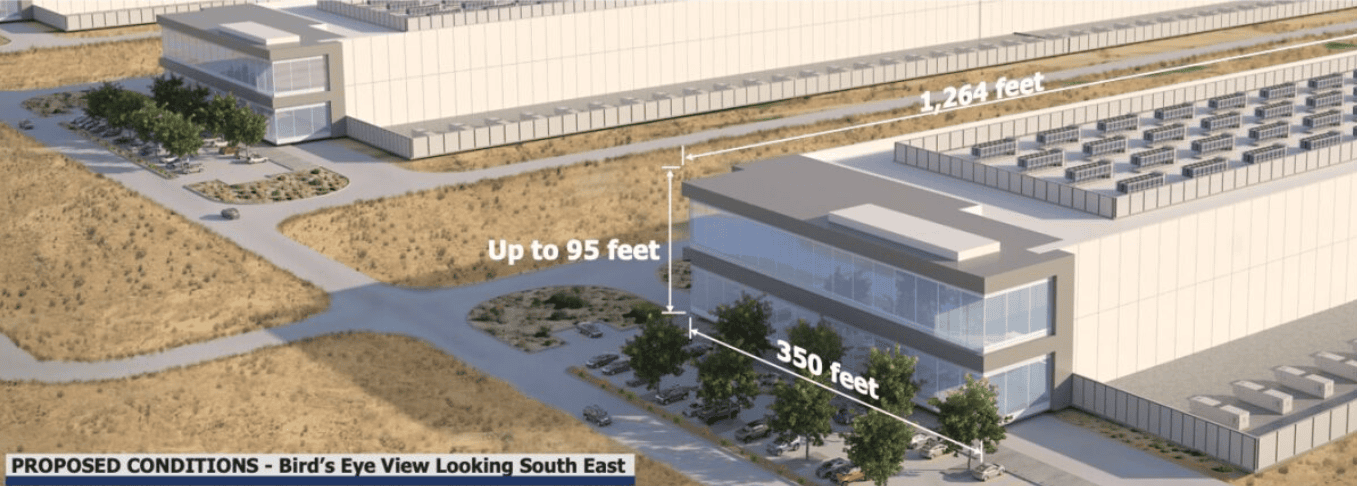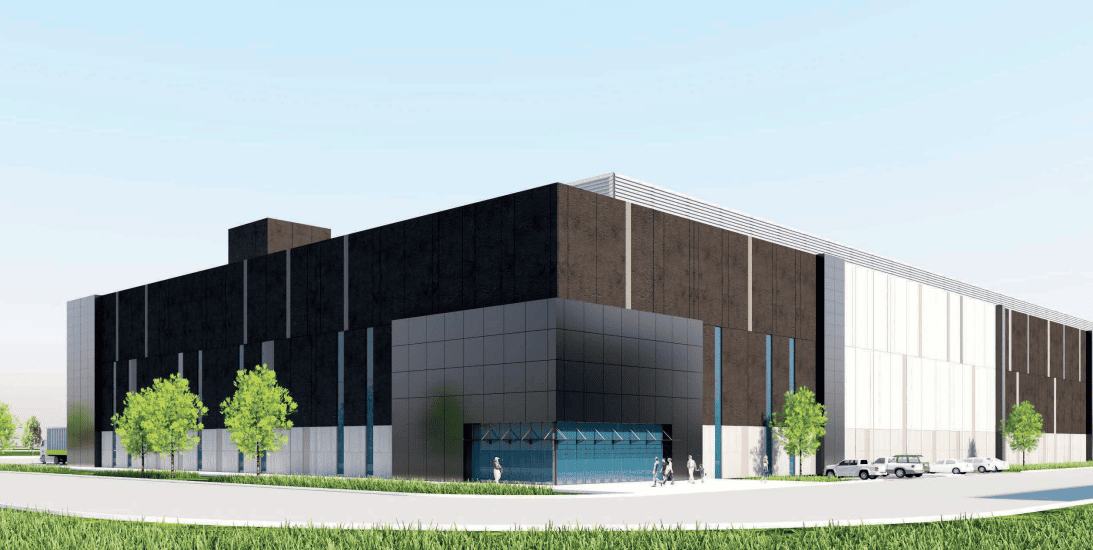












Data centers in Nevada are expected to use more than 35% of statewide electricity by 2030.
The Desert Research Institute recently released its January study on economic opportunities, which heavily focused on data centers and their impacts on the Silver State.
Within recent history, Nevada has been a welcome location for data center developments due to its large swathes of vacant land, inexpensive energy and low tax and regulation burdens. The state has more than 60 data centers, 28 of which are in the Reno-Tahoe region.
In January of this year, the DRI released a report titled “Data Center Water and Electricity Consumption in Nevada.” While data centers are heavy users of both electricity and water, they also carry substantial economic benefits.
DRI found that data centers accounted for the consumption of 22% of the total electricity generation capacity in 2024. This number is expected to grow by roughly 13% over the course of six years.
Notably, Nevada already uses 10 times more energy than it produces. If the power grid does not undergo substantial improvements, power disruptions may become more commonplace. The rising temperatures across the state can also negatively impact the grid.
While considering a “medium efficiency scenario,” the report found that using evaporative cooling techniques on 12 data centers is equal to the amount of water needed to service more than 27,600 U.S. households in a single year.
Data centers create economic opportunities in local areas by encouraging local job growth, increasing tax revenue, developing infrastructure and investing in the local community.
This comes as several cities, such as the City of Reno and the City of Sparks, are considering putting a moratorium on data centers. (Source)