












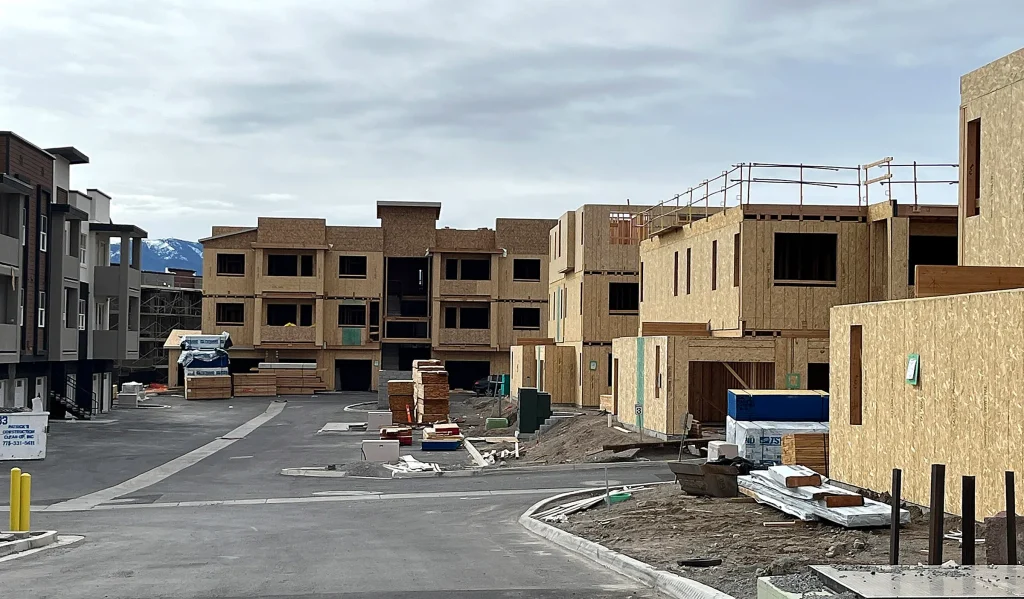
While rents in the Reno-Sparks metropolitan area have stabilized, apartments are reaching target occupancy levels at a slower rate.
One of the reasons for the occupancy slowdown is the introduction of new multifamily supply due to new project completions. In Q4 of last year, the average rent in the area was $1,633/month. According to the Nevada State Apartment Association, this reflected a 2.6% growth from Q3 2024.
“Major” apartment complexes in the area reflected an average rent of $1,656/month to wrap up 2024. This reflects a price decrease of less than a single percentage point from Q3, according to Johnson Perkins Griffin’s study, which tracked apartments with at least 80 units.
The average rent in the metro area is less than the national average. ALN Apartment Data reflected the national rent price in Q4 was $1,780.
The lowest rents recorded in the metro were around the Brinkby-Grove area, with an average rent of $1,277/month by the end of 2024. This is 23% less than the rest of the Reno-Sparks average.
Highest rents were reported in Lakeridge, East Sparks, Southeast Reno and Northwest Reno. Lakeridge became the most expensive area with an average rent of $1,781. East Sparks had a $1,762 monthly rent. Southeast Reno was at $1,750, and Northwest Reno reported an average of $1,726.
Occupancy/Vacancy Rates
The overall occupancy rate in the metropolitan area is 87.8%. The vacancy rate in the area is 12.2%. This is less than the national average occupancy rate, which sits at 91.2%. The vacancy rate at the national level is 8.8%.
Vacancy rates are typically considered balanced when sitting between 5%-10%, meaning Reno-Sparks is sitting just outside that number. To combat this, 26% of apartments recorded by ALN in the area are offering concessions. This shows a growth of 8.7% year-over-year.
Large apartments in the area offered even more concessions, with Johnson Perkins Griffin reporting 34.5% providing concessions. Historically, apartments typically offer more concessions in the final quarter of the year.
Large apartments generally have higher occupancy than the overall market. This did not save large apartments from having higher vacancy rates in Q4. Vacancy rates grew from 2.76% in Q3 to 3.16% in the subsequent quarter. This is the highest vacancy rate reported by JPG since Q3 2022.
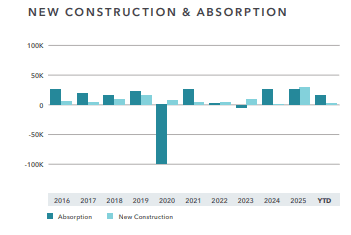
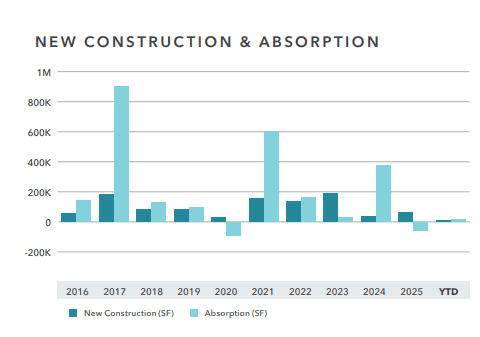
Vacancy rates may continue to grow as new apartments are seeing a slowdown in meeting the 90% occupancy threshold. The market currently has a total of 3,147 multifamily units under construction, which could amplify vacancy rates.
Many of the upcoming projects are considered large multifamily developments. Of the 3,147 units, 2,452 (nearly 78%) are in large buildings. On top of this, 2,822 units are in the planning stages.
Some developers are wary of constructing apartment complexes currently and are opting to wait for market conditions to improve. If there is a large slowdown in the multifamily pipeline, this could exacerbate the housing affordability crisis. (Source)


2 Responses
Hi, I was wondering if when you would do an update on this article. I found it very interesting and informative. I live in Reno, and if I hear of you updating this I’ll post it in r/reno on reddit with a link to this page.
Hi Tylor! Thanks for your interest in the article! We usually try to cover multifamily reports for Northern NV and Southern NV once a quarter. We should have one coming up soon. Thanks again!
-CJ