












Serving the A/E/C Industry

Latest Stories in Planning & Development...

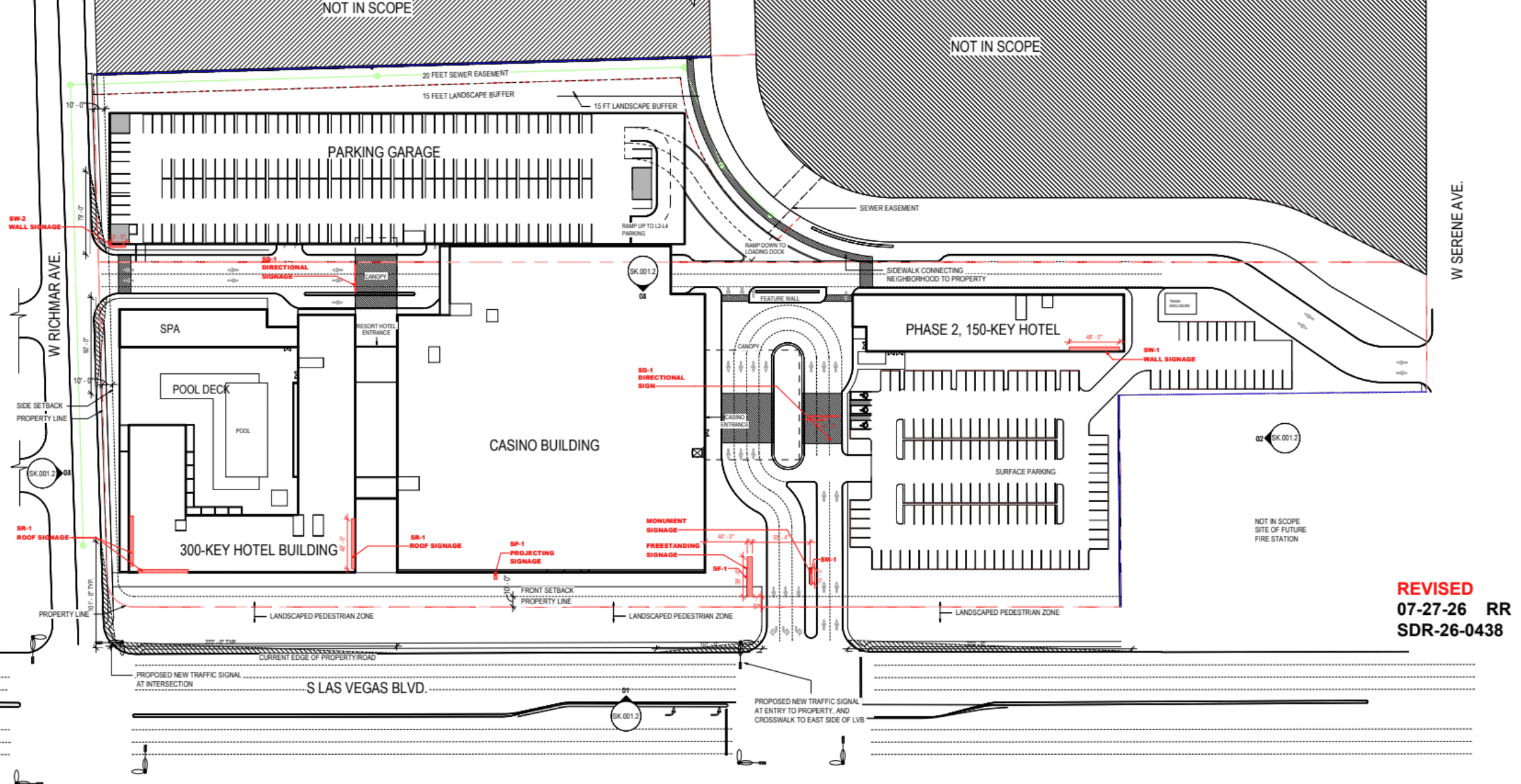
Site Plan
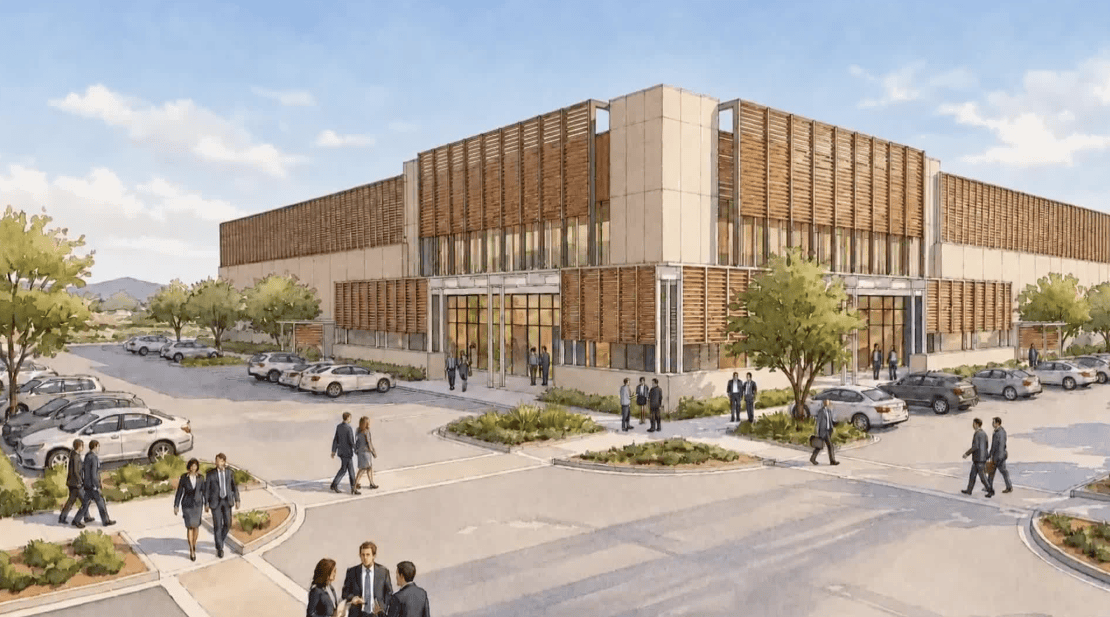
HVAC Warehouse Proposed in Paradise
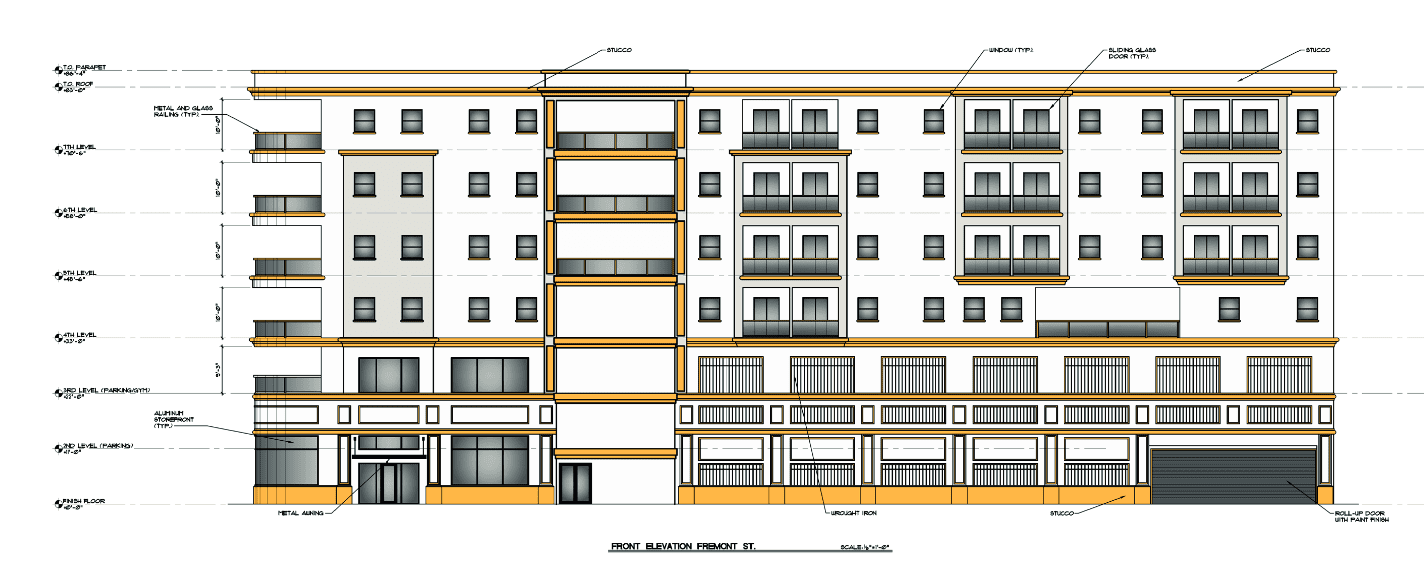
Elevation 1
Intermountain Health Children’s Hospital Receives Zoning Commission Approval
MoreRNO Update 1
Reno-Tahoe Airport Authority to Receive Additional IIJA Funding
P&D Townsite Solar 2 Denial
Boulder City Planning Commission Recommends Denial of 88.5-Acre Data Center Campus
BW Rendering 2
Northern Nevada Homes Proposing 408-Unit Townhome Community

Latest Stories in Local News...

Untitled-design
Dirty Data Does a Disservice to AI
Graph 2
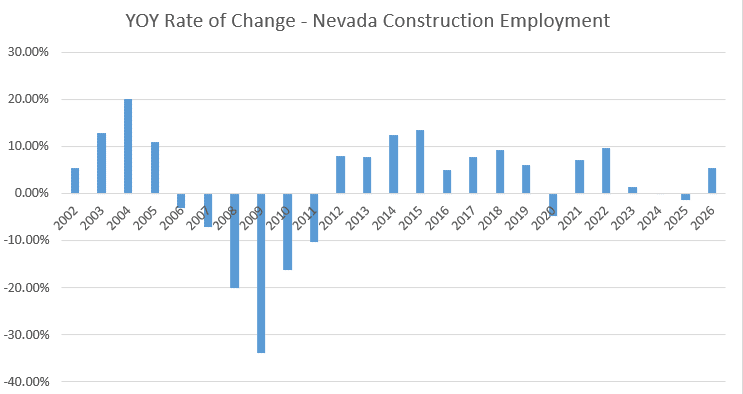
Construction Employment Rebounds in April
EDV LOC LVGEA Real Logo
LVGEA Announces $166M in Capital Investment
TRN LOC Northern Nevada MF Report
Reno Multifamily Reaches New Equilibrium
Multifamily
Las Vegas MSA One of Few to See Multifamily Rent Decline

Latest Stories in Trends...

Untitled-design
Dirty Data Does a Disservice to AI
Graph 2
Construction Employment Rebounds in April
Multi-Family Condominium Construction
New National Data Hints at Possible Multifamily Momentum Pickup
Bar graph
Construction Employment Falls in March After Strong Start to 2026
LOC Data Center Study
DRI Study Considers Data Center Boons and Banes

Latest Stories in Nevada Projects...

WIP Fieldhouse
Nevada Projects 05-29-26
WIP Athletics
Nevada Projects 5-22-2026
WIP Fallon Paiute
Nevada Projects 05-15-26
WIP Hard Rock
Nevada Projects 05-08-26
Modern downtown nevada state university building with outdoor space
Nevada Projects 05-01-26

Latest Stories in Federal...

FED WAT Sloan Canyon Act
President Trump Signs Sloan Canyon Lateral Pipeline Act
FED LEG EA Road to Housing Act and BTR
Affordability Reform Legislation May Gut BTR Sector
Image of Sloan Canyon National Conservation Area
U.S. Senate Approves Bill for $2B Water Pipeline in Southern Nevada
Nevada-Pipeline-Image
House Passes Southern Nevada Pipeline Bill
Seal_of_the_United_States_Department_of_Justice
DOJ Settles RealPage Pricing Collusion Case

Latest Stories in Budget...

Pahrump Fairgrounds Site
Pahrump Fairgrounds Water Line Moves Past First Round of CDBG Funding
Fuel pumps at a gas station in Clark County
Clark County Votes to Approve Decade-Long Extension of Fuel Revenue Tax Index
LOC-BUD-Vegas-Delaying-CIP-Projs
City of Las Vegas Delaying $19.7M Worth of Capital Improvement Projects
LOC-BUD
Budget Provision Calls for Selling Millions of Acres of Western Federal Land
5e4814b9-051625_nvleg_00368
Proposed AB587 Could Pull $350M from Rainy Day Fund

Latest Stories in People on the Move...

PPL Scott Borgia
Industry Professionals 5-26-26
PPL Marlo Wilkey
Industry Professionals 05-19-26
PPL Henderson Building Safety Month
Industry Professionals 05-12-26
PPL Water Award
Industry Professionals 05-05-26
PPL
Industry Professionals 04-28-26

Latest Stories in Commercial Real Estate...

CRE-Lake-Mead-Gateway-Plaza
Commercial Real Estate 05-26-26
CRE Blue Heron SF
Commercial Real Estate 05-19-26
CRE Lincoln by Beedie
Commercial Real Estate 05-12-26
CRE The Strat Updated
Commercial Real Estate 05-05-26
CRE Pama Distribution Center
Commercial Real Estate 04-28-26

Latest Stories in Legal...

FED LEG EA Road to Housing Act and BTR
Affordability Reform Legislation May Gut BTR Sector
Corporate Homeownership
Corporate Homeownership Legislation May Occur in 2027
LOC LEG NV DC Restrictions
Nevada Officials Considering Data Center Restrictions in 2027
Seal_of_the_United_States_Department_of_Justice
DOJ Settles RealPage Pricing Collusion Case
Summerlin Studios Elevation
Film Tax Credits Denied in Special Legislative Session

Latest Stories in Water...

FED WAT Sloan Canyon Act
President Trump Signs Sloan Canyon Lateral Pipeline Act
WAT Colorado River
Lower Basin States Agree to Short-Term Colorado River Cuts
Image of Sloan Canyon National Conservation Area
U.S. Senate Approves Bill for $2B Water Pipeline in Southern Nevada
Winding Colorado river through red rock Grand canyon
Basin States Miss Latest Colorado River Usage Deadline
Colorado River
Nevada to Lose 7% of Colorado River Allocations Due to Drought

Serving the A/E/C Industry

Dirty Data Does a Disservice to AI

The saying “Garbage In, Garbage Out,” has been around a long time now. That sentiment applies as we explore how good or bad data will amplify your business operations, especially using AI.

AI has been promising powerful gains in efficiency, analysis and business outcomes since at least late 2024. Although A/E/C firms are notoriously slow to adopt new technology, we are seeing new applications pop up more and more in our industry.

From accounting to marketing & business development to operations, AI is either creeping in or exploding all around us. When planned and executed well, the results can be stunning, but these positive end results only come with a good strategy and data going in.

Recently, I’ve had several discussions on various AI-related topics, including Dave DuVarney, Principal of Baker Tilly, and Ali Fakih, CEO of AIAEC and Sustainability Engineering Group, to discuss how much the quality of data can impact the output of any AI tool and task, as well as the continued importance of actual human expertise.

Another resource I’ve been reading is a commentary by Jack Enfield with Computer Dimensions out of Tucson, Ariz. His posts have a good balance of focusing on what actual people say, combined with local IT depth of knowledge (I can look past his writing style, which appears to be AI-generated).

Governance and Strategy Come First

AI governance means consistency of terminology: standards, common definitions and master data. Strong governance gives teams the best chance of communicating effectively about tasks and outcomes.

There is a common misconception about how much AI can actually do. Then, when we get in there and try it and it fails, we tend to give up on it.

While developing an AI strategy is well beyond the scope of this article, there are a few principles of AI implementation that are becoming apparent:

  • Brainstorm what AI could be good at and compare against what potential time savings and/or quality improvements could be realized.
  • The more context, the better. When we prompt any AI tool, we give it a role. We tell it who we are, what audience we are trying to work for, what output we are looking for, etc.
  • Start with tasks where you can verify the output is what you would expect.
  • Iterate repeatedly. As the model gets trained on what you want, results get better.

Clean Data is Needed

DuVarney explained how the quality of the underlying data is paramount. AI cannot just “magically clean up bad data,” he says. AI can spot anomalies, check for compliance and alert to potential errors, but a person still has to go back in, find and update missing or incomplete data, and iterate through the AI process again.

For those who have implemented AI processes and are now realizing the underlying data is leading to poor results, DuVarney says the only right path is to fix the underlying raw data. This mirrors a series of recent blog posts by Enfield, who similarly harped on the importance of doing the hard, tedious and time-consuming work of building pristine data sources first, then applying AI to answer the business question at hand.

Use Case: CIP Data

A relevant local example is Capital Improvement Plan data. We do this research every year in Arizona (coming soon to Nevada) and, on the surface, it should be a fantastic use case for AI. At its core, CIP data is publicly available government documents that are all required by state statute to include the same information. AI eats long, complex documents for breakfast.

In practice, however, there is significant variation in the documents that must be accounted for first. This requires the time-consuming step of structuring the relevant data and checking for accuracy before applying the AI tool. In fact, we still find CIP documents that are scanned and uploaded or formatted in ways that we cannot convert to tables at all.

Not to be overly self-promoting, but that’s where having an outside data source like BEX comes in handy, since one of our major tasks every year is taking the time to source all the documents and clean up the data.

-image
This sample set of rows comes from an export of NDOT’s STIP. The data is clean and exportable, which works great to input into an AI tool and get good results back.

Use Case: Purpose-Built AI for Property Due Diligence

Ali Fakih with SEG has spent decades preparing rezoning cases across Arizona and beyond. He has applied that institutional knowledge into a custom-built AI called ChatAEC. When speaking with Fakih, I asked why I couldn’t just ask ChatGPT to do what his custom GPT did. His answer also came back to the data.

The expertise gained from decades of doing the work enabled him and his team to build the right tool to solve a down-to-the-ground business problem. The model is trained to source accurate information and take it further by producing a standardized report that can then be used by developers and land use attorneys to either build a rezoning case or perform due diligence on a parcel. If someone without that institutional knowledge were to attempt to produce the same tool, we wouldn’t know if the output was bad.
-image
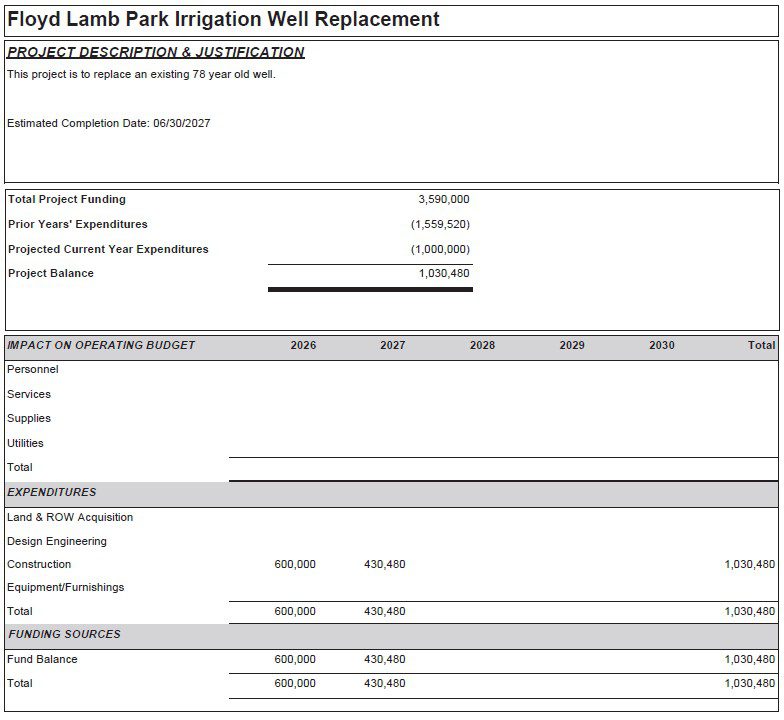
This screenshot from the City of Las Vegas CIP data is an example of data that is not ready for AI. Converting a PDF to an editable file is only the first step. It is typically fastest to copy/paste the relevant information into a structured table created by a person with standardized fields. AI agents can be trained to do this work, but depending on the volume and how often you might need the task done, a competent human worker is still better at this.

Human Expertise Still Required

In both of these use cases, a human is still required. AI is not good enough to fill in gaps of missing data or to train and craft an agent to do the work.

DuVarney recounted a lesson from earlier in his career when he made a mistake. His boss came over to him and succinctly stated, “If you give me bad data, I make bad decisions.” In a world where business decisions affect multi-million-dollar projects, good data is worth investing in.

-image

Thoughts from the Writer

As a very small knowledge-based company, we generally loathe AI. We snub our noses at anything that could possibly give us wrong answers, and, to date, AI has been fantastically confident in its wrong-ness. This is enough to drive us bonkers because we thrive on accuracy.

That being said, we are implementing AI on a task-by-task basis where it makes sense and we can realize incremental improvements in time and/or quality. Writing full articles is not one of those places. This article was 100% written by an actual human who actually talked to other humans first, read widely about the topic, and synthesized her own actual opinions and conclusions.

Not to brag about my prehistoric processes, but there are even a few pages of handwritten notes (on physical paper) that came before this typed version. There’s a “back in my day” attitude coming on… I can feel it.
Leave a Reply

Your email address will not be published. Required fields are marked *

Learn More About Our Services
Dirty Data Does a Disservice to AI
The saying “Garbage In, Garbage Out,” has been around a long time now. That sentiment applies as we explore...
Read More
HVAC Warehouse Proposed in Paradise
Refrigeration Supplies Distributor is proposing a 33.1KSF office/warehouse building at the SEC of Russell...
Read More
Nevada Projects 05-29-26
Groundbreakings 1. Preparation work is underway for the Hobart Reservoir Dam rehabilitation project,...
Read More
Intermountain Health Children’s Hospital Receives Zoning Commission Approval
The Clark County Zoning Commission approved a set of requests for the proposed Intermountain Health Children’s...
Read More
Reno-Tahoe Airport Authority to Receive Additional IIJA Funding
The Reno-Tahoe Airport Authority announced it is set to receive a $20M grant from the Infrastructure...
Read More
Mark Hobaica

Mark Hobaica

Executive Vice President

Core Construction

Since 2019, as CORE Construction’s Executive Vice President for Nevada, Mark ensures every client CORE serves receives the highest level of personalized care for every project. Mark’s passion is client Trust. He cares deeply about CORE’s reputation, partnerships and providing the highest quality and services, as well as most honest and best value possible. He has worked in the Las Vegas Valley and for the Public Works sector for nearly 35 years. He began as an owner in a local architectural firm designing and overseeing projects for Public Works clients for nearly 12 years. He clearly understands the expectations of the public sector, as he then directed numerous projects for over 16 years as the City Architect for the City of Henderson. His focus has always been delivering projects using CMAR or Construction Manager at Risk as he has implemented dozens of projects with his trusted approach, while always involving every stakeholder to ensure each individual receives the highest level of services expected.