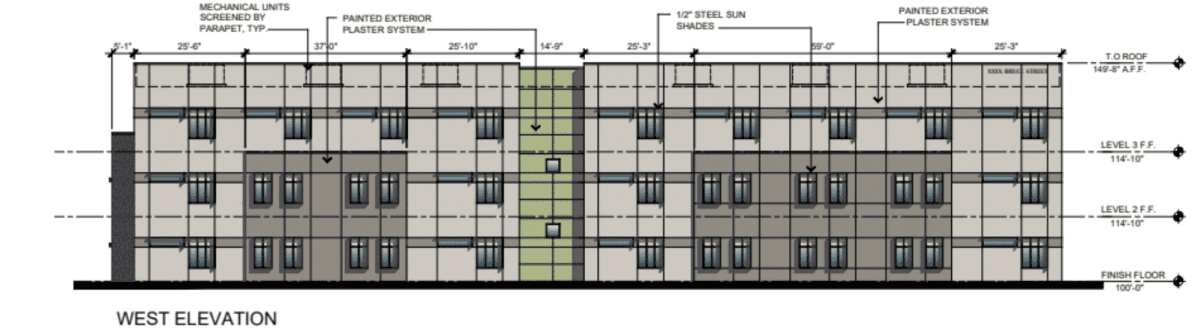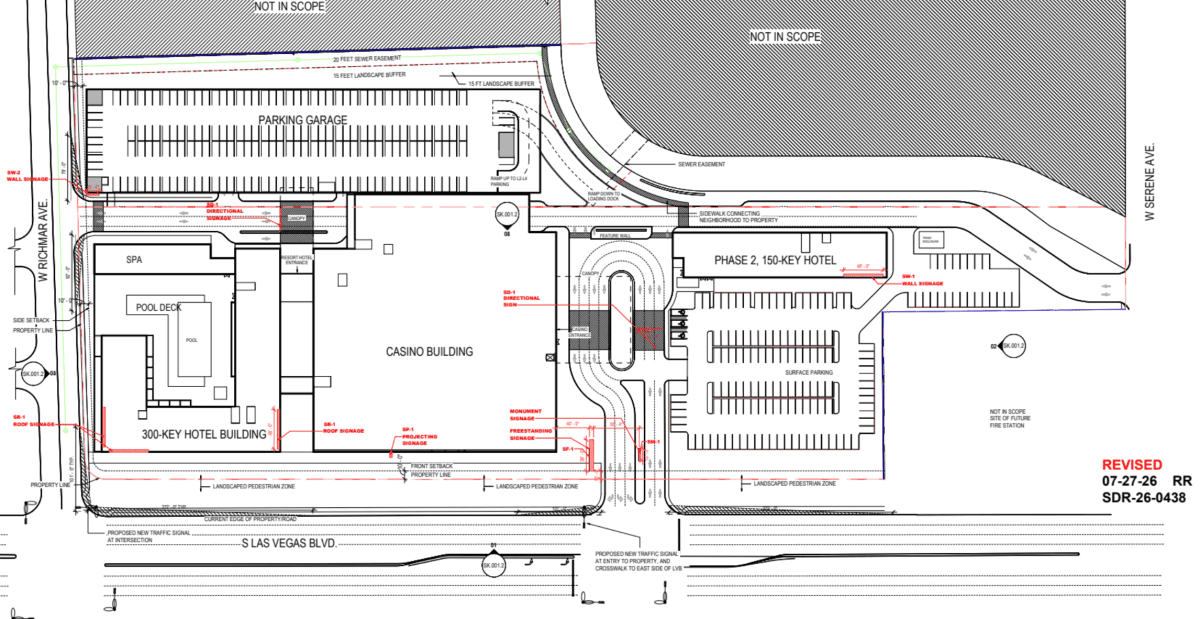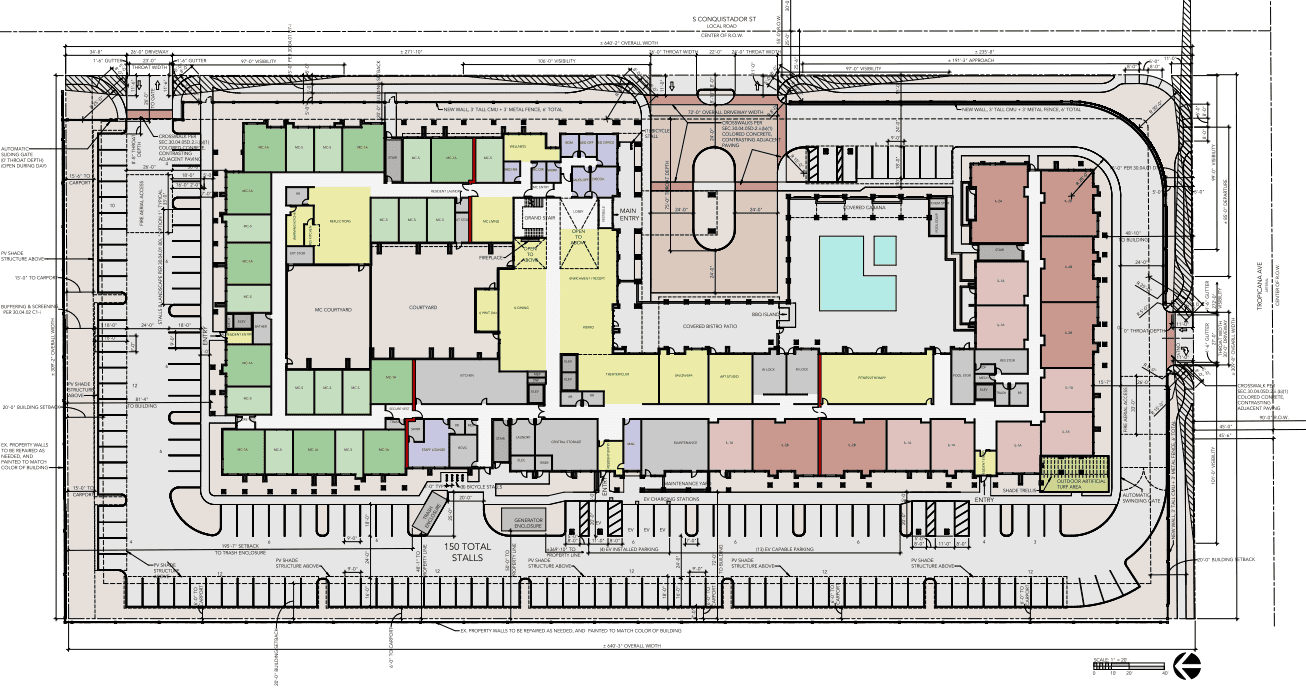













The integration of AI in the A/E/C industry (or at least the architectural side) is upon us as Southern Nevada professionals aim to continue building out Las Vegas’ limited land in a responsible way.
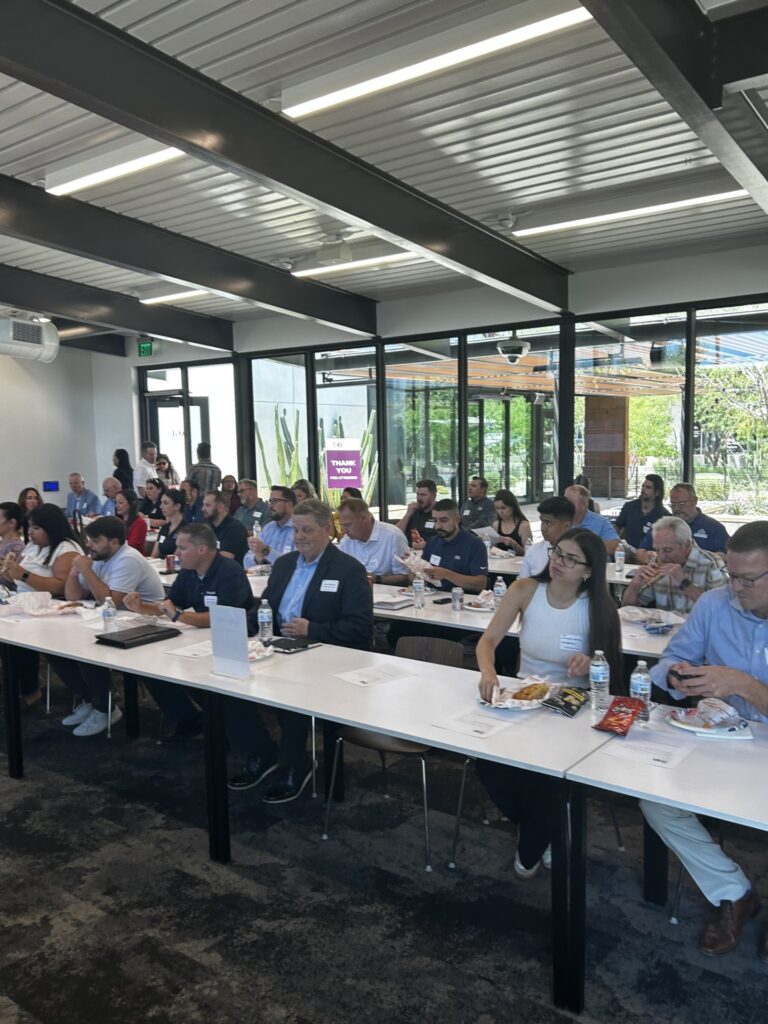
NVBEX returned to The Assembly in Las Vegas on June 17 for its latest Leading Market Series event: What’s on the Boards? Inside Las Vegas Architecture & Development, sponsored by The PENTA Building Group.
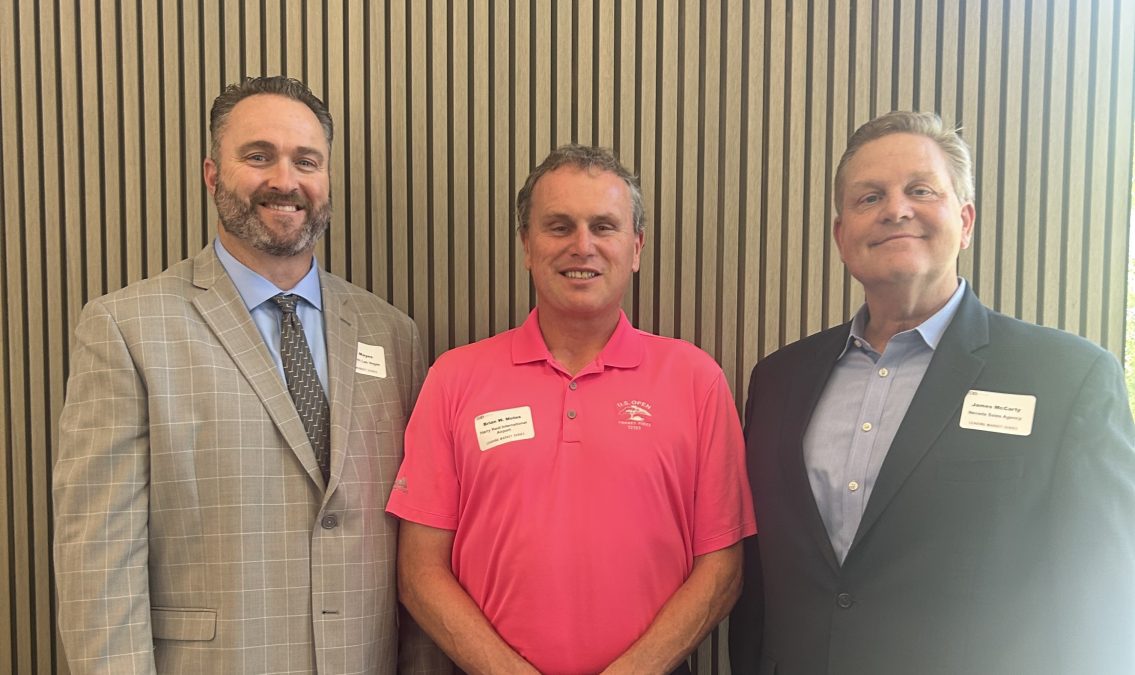
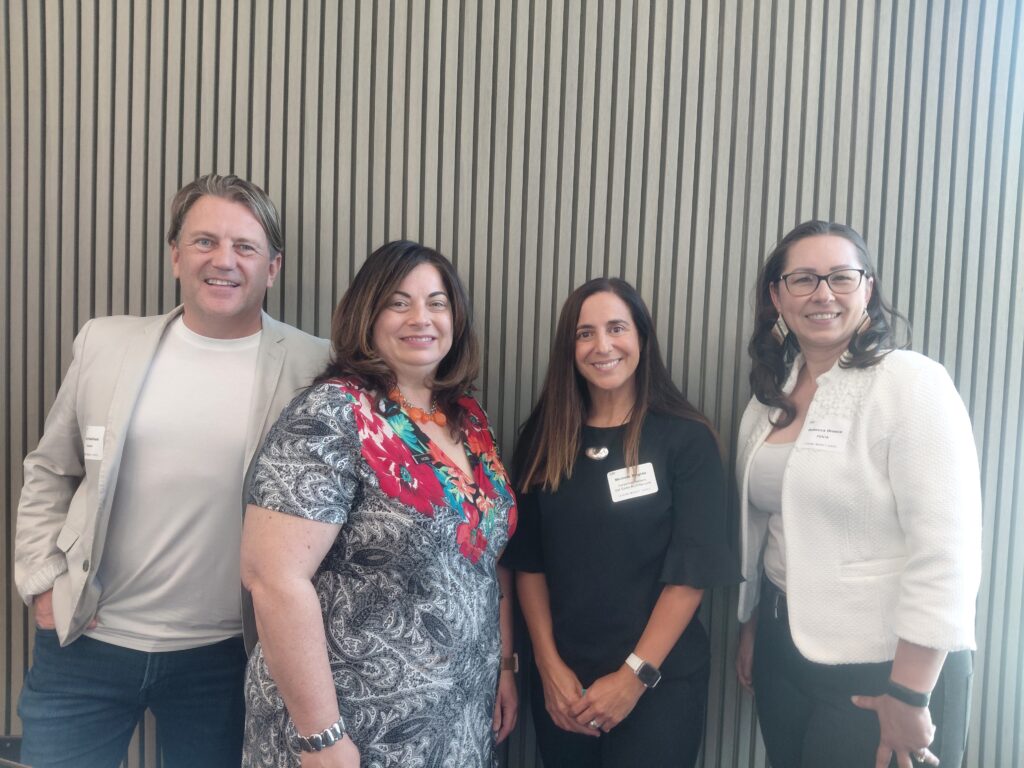
The panel featured Carpenter Sellers Del Gatto Architect’s Principal Michele Brigida, SCA Design’s Regional Marketing and Business Development Nickel Lowman and Gensler’s Principal Brett Robillard. The panel was moderated by PENTA’s Senior Preconstruction Manager, Rebecca Orosco.
Before delving into the primary topic of the luncheon, BEX Founder and CEO Rebekah Morris had an exciting reveal. Those familiar with NVBEX’s sister company, AZBEX,may be aware of our online database, DATABEX.
DATABEX is an online resource that allows subscribers to closely follow and track construction projects in the region all the way from concept to completion. Our team of BEXperts updates projects every day and gives subscribers a leg up on local industry knowledge and what large projects to go after.
For example, in April 2026, DATABEX tracked $282B in construction activity throughout 2,919 projects in Arizona. Of that total, $212.6B stemmed from private projects, while the remaining $69.4B came from public works.
Morris told the attendees BEX will be bringing that service to Nevada. The DATABEX team has been working behind the scenes to list projects from around the state.
Editor’s Note: Prior to the launch of DATABEX Nevada, we will be offering a beta trial period. If interested in participating in the free trial, reach out to rebekah@nevbex.com.
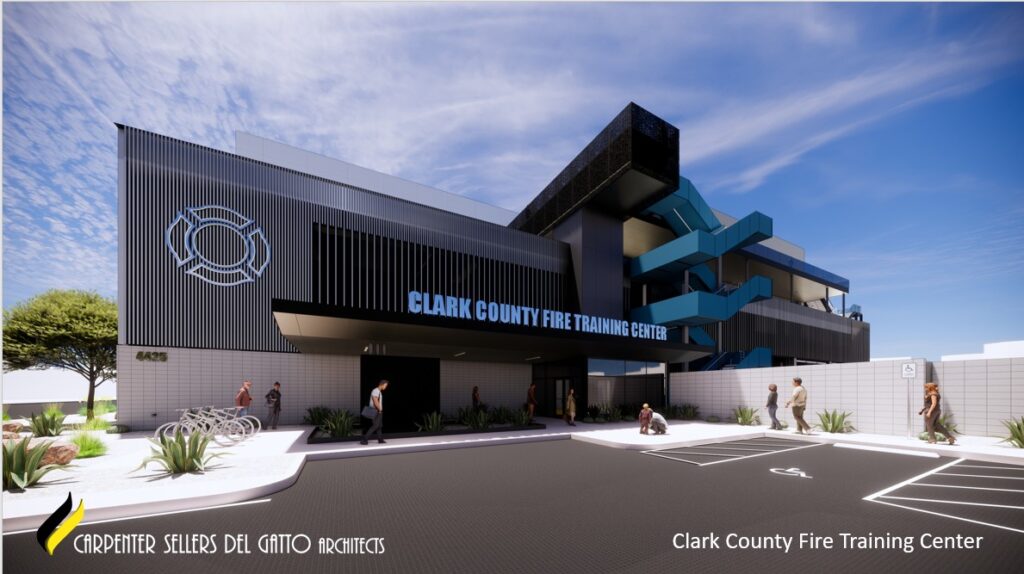
The first half of the event was comprised of presentations from the three panelists describing current and upcoming projects. Brigida took the stand first and touched on projects like the Clark County Fire Station Training Center and the Center for Excellence in Public Safety.
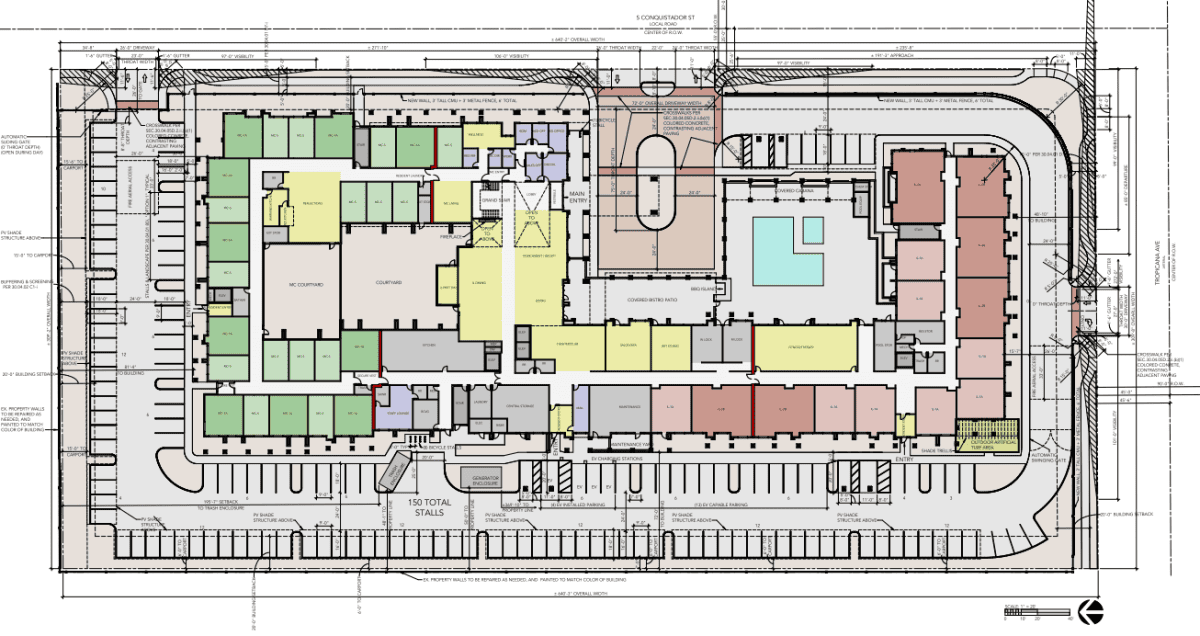
The Fire Station Training Center is to be constructed at 4425 W. Tropicana Ave. in Las Vegas. The project consists of three distinct buildings, one of which is a four-story training center. Plans also include a fire station, maintenance center and burn tower. This CMAR project has broken ground. (NVBEX; Feb. 20, 2025)
The Center for Excellence is comprised of a 62.8KSF building, as well as a 3.5KSF central plant building. This project is planned on an 18.5-acre portion of a greater 40.9-acre site. It is being developed by the College of Southern Nevada and features an emergency vehicle operations course. (NVBEX; Jan. 10, 2025)
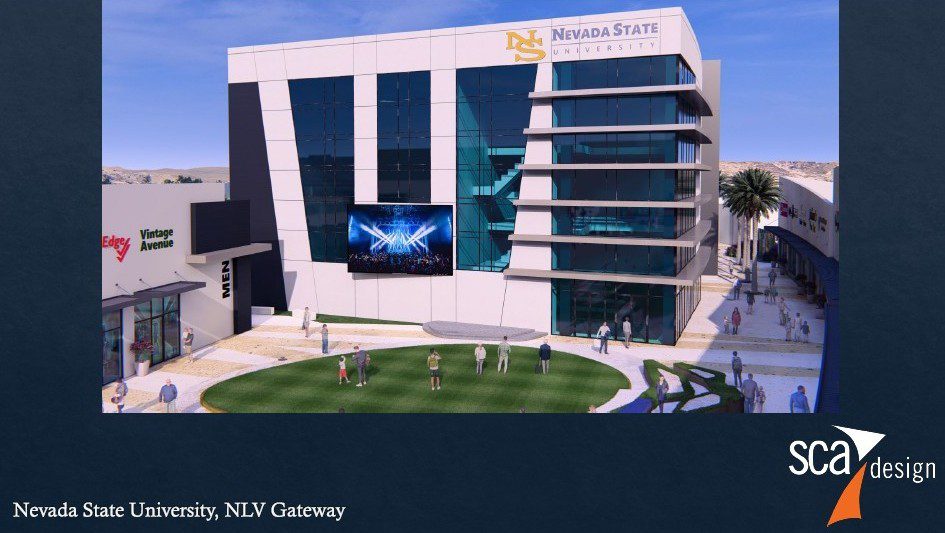
Next up, Lowman took to the podium and discussed a plethora of projects, including the NLV Gateway and the South 7th Street Apartments.
NLV Gateway is a master planned development in North Las Vegas. One aspect of this development is the 30KSF Nevada State University Satellite Campus. (NVBEX; Dec. 10, 2025)
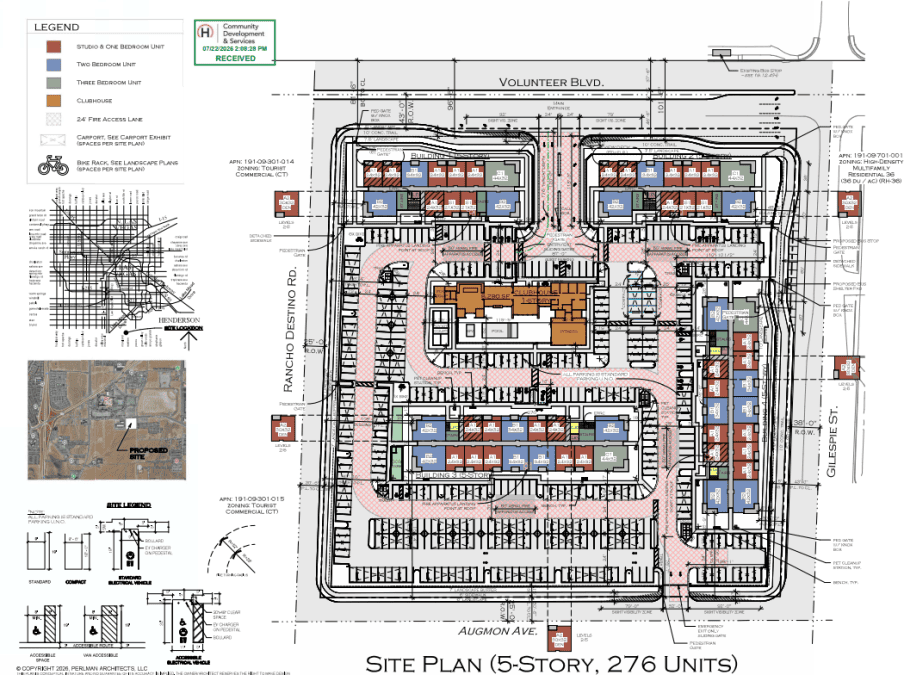
The South 7th Street Apartments, located at 801 S. 7th St., is a relatively dense multifamily community for its overall size. The six-story multifamily community is set to contain 46 studios, 19 one- and five two-bedrooms. (NVBEX; Oct. 14, 2025)
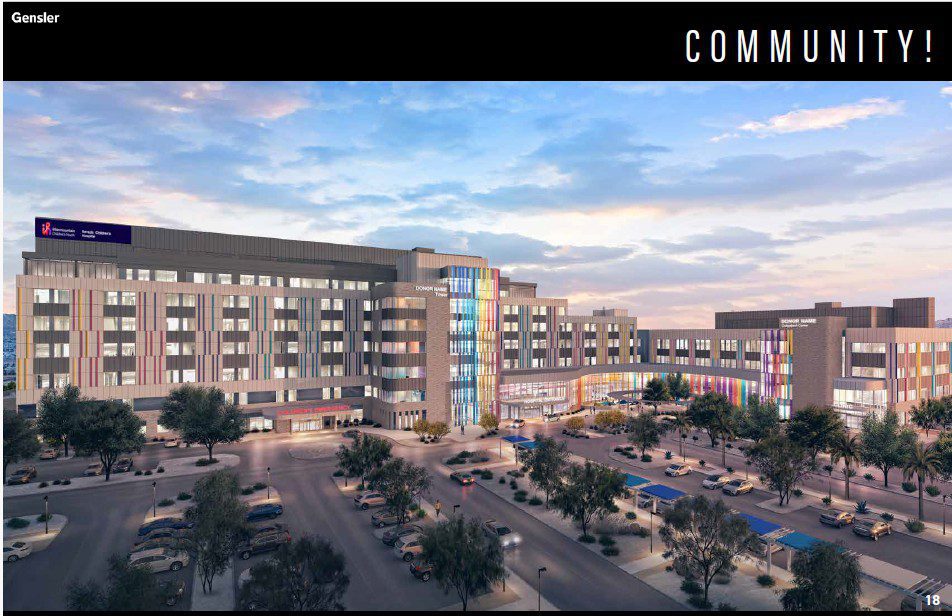
Robillard then walked the audience through a handful of Gensler projects, some local and some distant. Gensler, alongside the Boston-based Shepley Bulfinch, is working on the upcoming 830.4KSF Intermountain Health Children’s Hospital. This hospital is planned to be eight stories and 170 feet tall. The Intermountain Health Children’s Hospital has been the topic of several NVBEX articles.
Robillard also discussed some ways in which Gensler is utilizing AI to bolster client satisfaction and project design. This led to Robillard sharing short, animated clips of project renderings, such as the Tampa Bay Ray’s stadium.
The AI video clips served as a rendering in motion, showing virtual but seemingly real people walking through the stadium and interacting with their surroundings and each other.
Q&A
The design presentations were followed by an AI/data center-centric Q&A session. The Q&A portion began with a real-time online survey in which the attendees were able to rank the sectors they believe will be the strongest in the immediate future. The clear winner was Industrial/Data Centers.
Healthcare came in a distant second and was closely followed by Hospitality & Gaming, Public Works, Office & Retail and Education.
Orosco followed up by asking what some of the largest concerns seen by clients are. Brigida said many clients are seeking a building that is both flexible and timeless. She went on to say, “Our clients are really wanting to see integrated approaches to projects. That means engagement at all levels.”
Essentially, developers are less interested in transactional relationships and more focused on establishing long-term partnerships.
Lowman added that available land throughout Southern Nevada is running out and infill projects are becoming increasingly more popular.
The audience was asked to provide a single word to describe how AI will interact with the future of the industry. Answers varied widely with a generally positive outlook, although there were a handful of negative answers.
The top four most common answers were “efficiency,” “innovation,” “revolutionary” and “scary.” Robillard agreed with these general sentiments and is approaching AI in a cautiously optimistic way. “I was freaked out for a while,” he said, “and I’m still freaked out about it. I cannot fathom how impactful it’s going to be.”
He went on to say that AI does not have the “human sensitivity” that will allow it to fully replace people in the workforce. Several clients have approached Gensler already having concept plans created via AI.
Brigida agreed, adding, “The one thing that AI can’t do is be human. It can’t understand how we think, how spaces need to be created, and it can never communicate with our clients. It must be used strategically to implement a solution.”
Panelists were not afraid to discuss weaknesses surrounding AI; however, as Robillard noted, he’s heard that younger generations have, in a sense, revolted against AI. “I think that’s interesting. As an architect, that suggests there may be a paradigm where people really just want to be together without a phone, without the influence of AI or technology. That won’t stop AI, but we’re seeing a higher value placed on things that are not digital.”
There are countless AI programs, from Claude to Grok and Gemini. The general consensus was that AI is a tool that is becoming increasingly common, and we are finally at the stage where it’s becoming less of a shiny new toy and more of an everyday tool. Its full impact on the A/E/C industry has yet to be determined, however.
The panelists concurred we should forge ahead carefully and use AI as an amplifier and not a substitute.